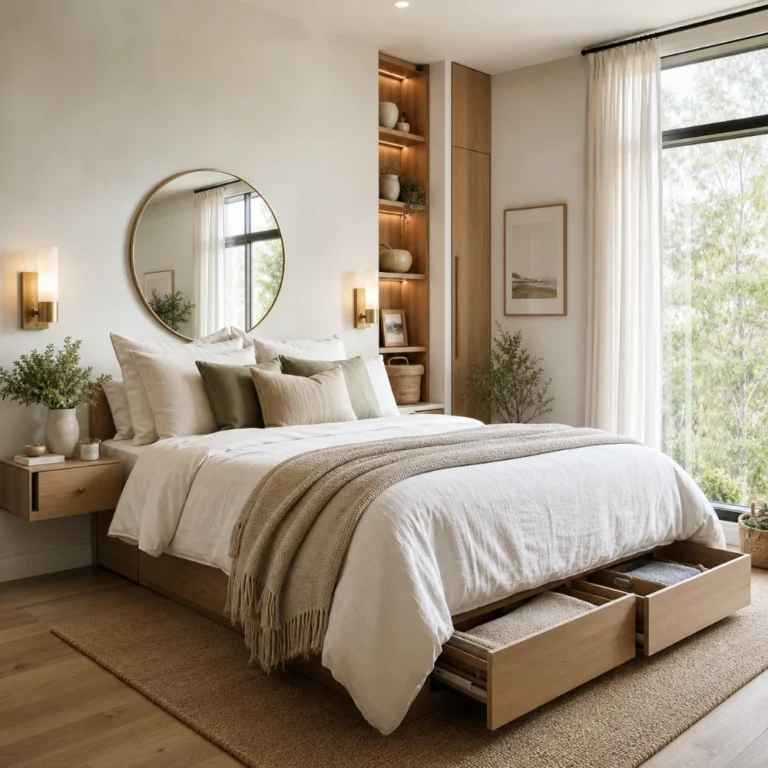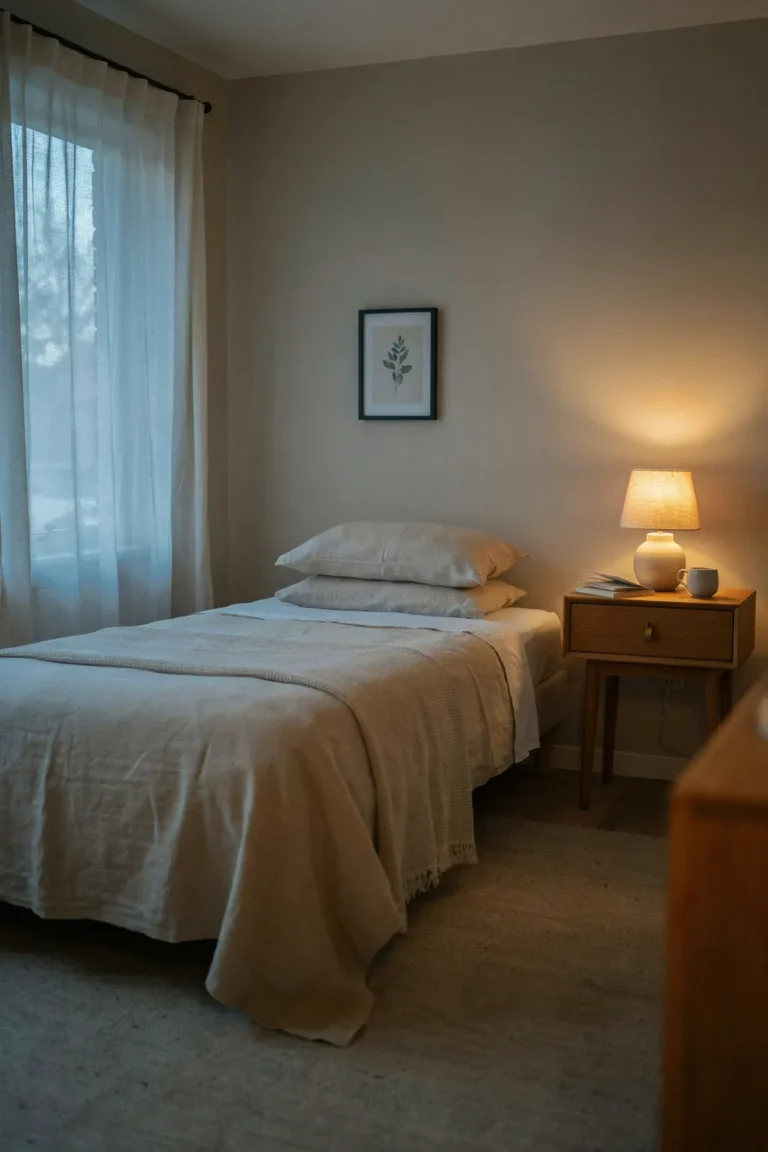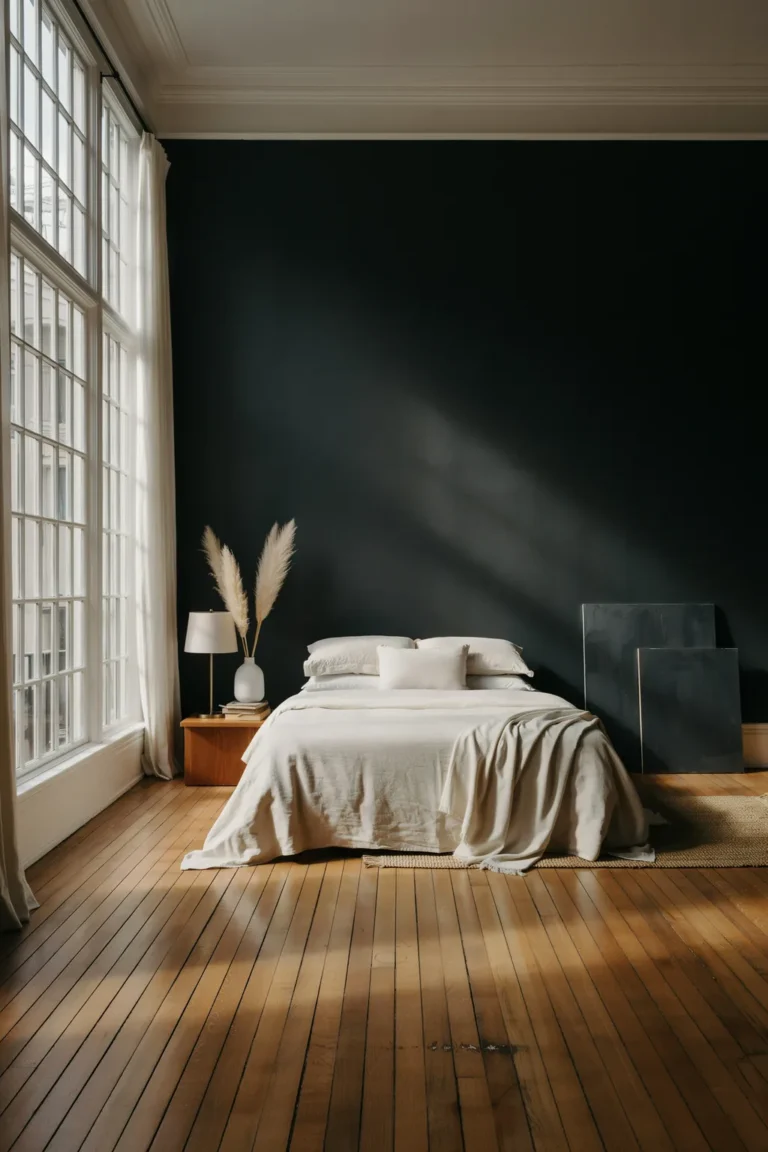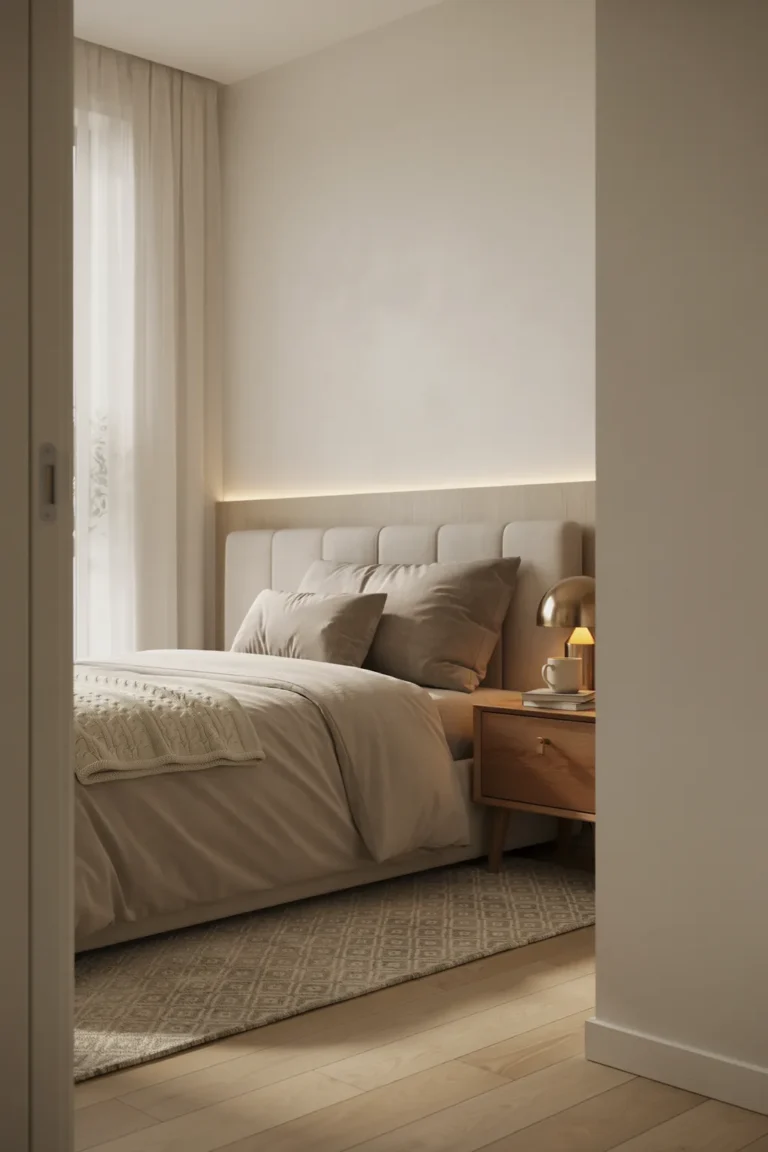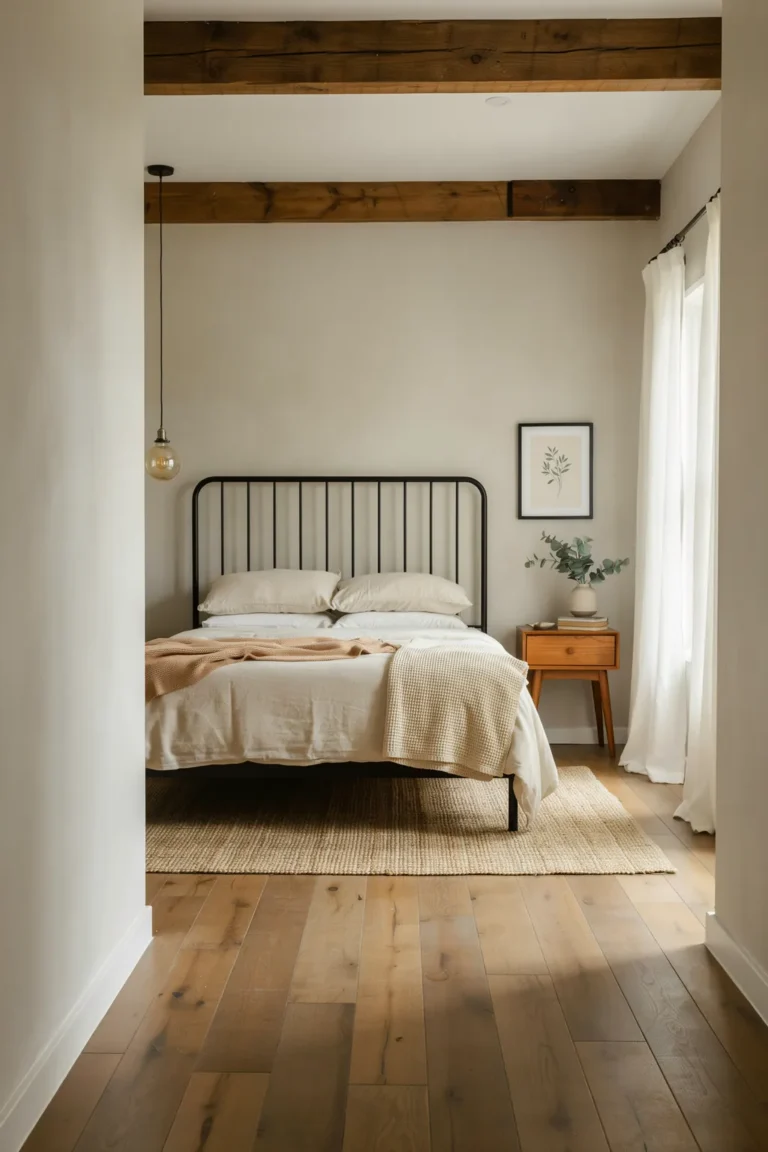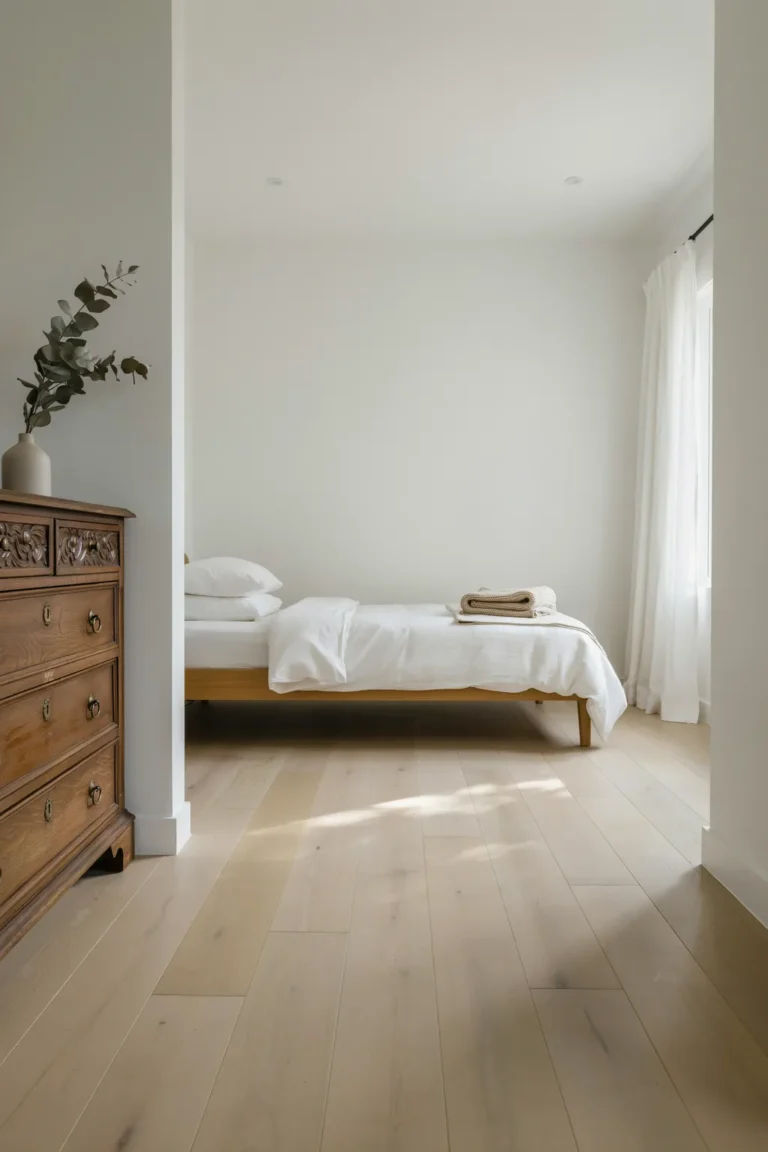
10 Small Bedroom Dresser Ideas for Efficient Storage
A dresser is usually the second biggest piece of furniture in a bedroom, and in a small room it can start to feel like the enemy. You need the drawer space, but every inch it takes from the floor makes the whole room feel tighter.
Most advice does not help much. People will tell you to downsize your wardrobe or skip the dresser and live out of the closet. That works for about two weeks. Then the folded laundry starts stacking up on the chair, and the chair disappears under it.
The better small bedroom dresser ideas work with the way your room is actually shaped. That might mean going tall instead of wide, claiming the wall under the window, or picking a piece shallow enough that you can open the drawers without climbing over the bed.
The ten moves below make a tight room work harder, with real measurements so you know what fits before you buy.
1. Go Vertical With a Tall, Narrow Chest
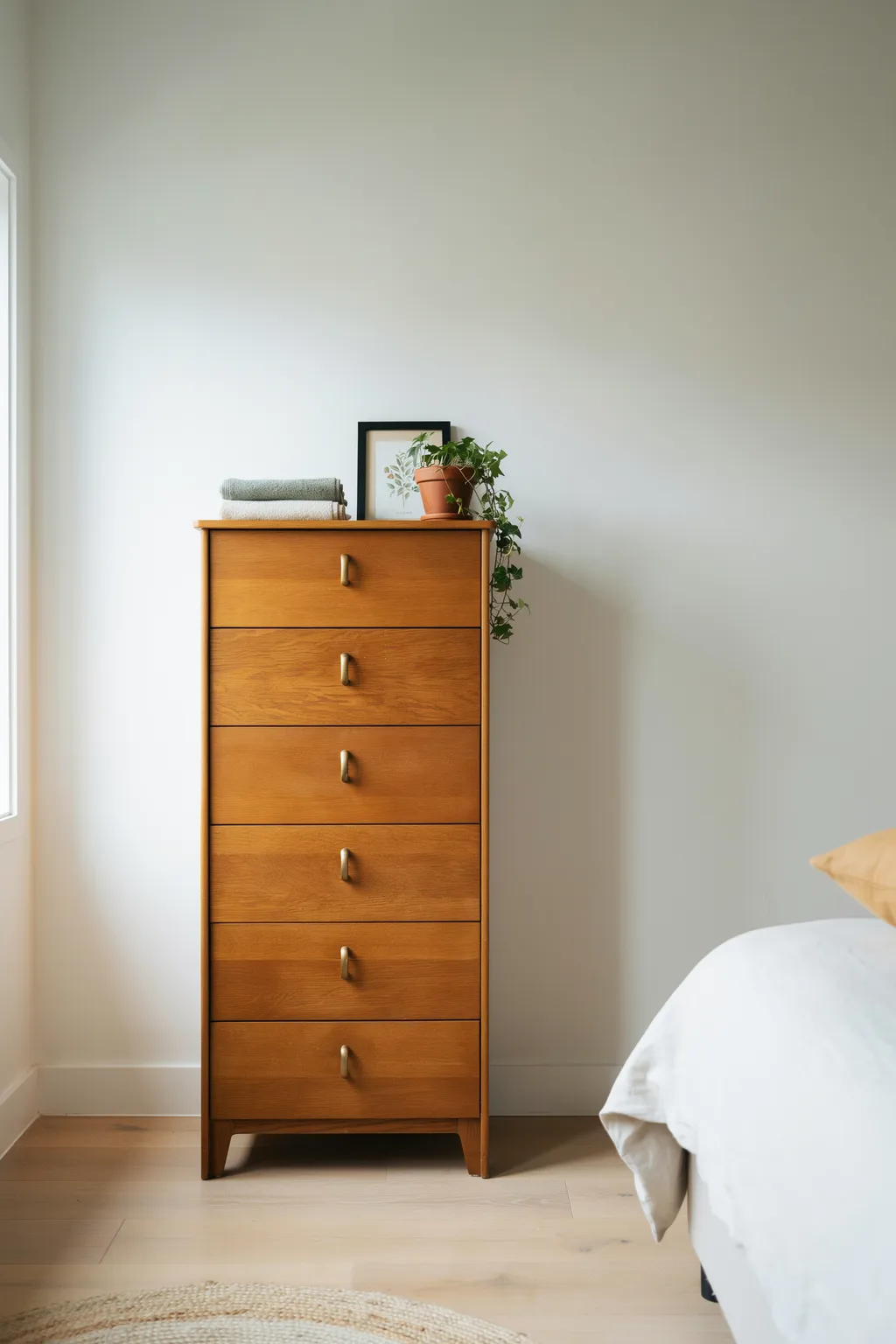
Here is the rule for cramped rooms: buy storage by the foot of height, not the foot of wall. A five drawer chest around 28 inches wide holds nearly as much as a wide six drawer dresser, on about half the floor space.
Two things to check before you order:
- Drawer depth. Some tall chests have shallow top drawers that barely fit socks. Look for at least 5 inches of interior depth on the top two.
- Tip safety. Tall and narrow means top heavy. Strap it to a wall stud with an anti tip kit. The Anchor It campaign from the CPSC shows how, and it takes about ten minutes.
Skip this style if your ceiling slopes. Everywhere else, it is the easiest win on this list.
2. Tuck a Low Dresser Under the Window
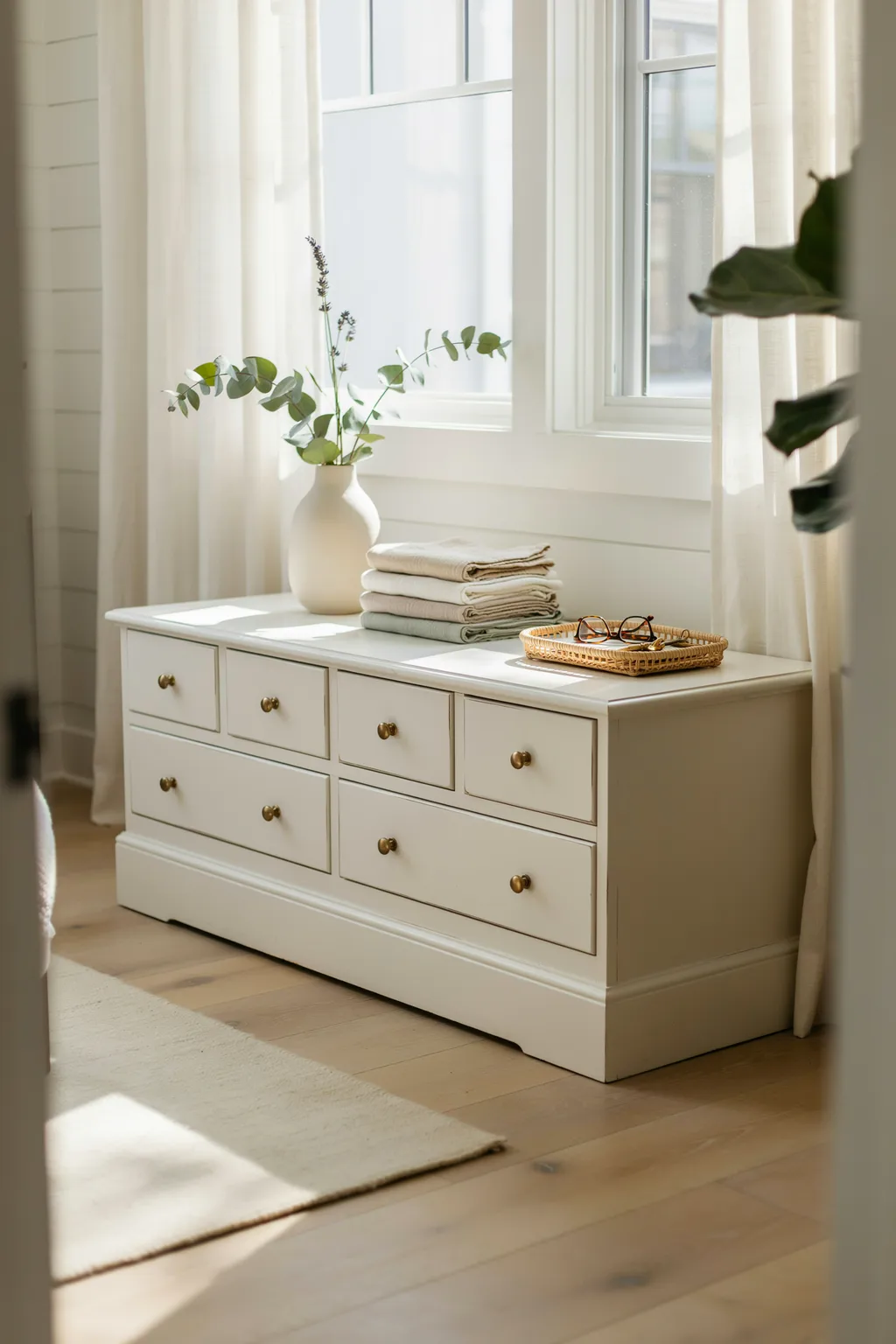
The wall under a window sits empty in most small bedrooms because nothing tall can go there. That makes it the one stretch of wall nobody is fighting over, and a long, low dresser fits it like it was built in.
Keep the dresser top a few inches below the sill so the piece reads as intentional, not crammed. A 30 inch tall dresser under a standard 36 inch sill usually lands right.
One warning from experience: check which way the window opens and where the sun hits. A dresser top in full afternoon sun will fade fast, and anything left on it gets hot to the touch.
💡 Quick Tip
Measure from the floor to the bottom of the window trim, then subtract 4 inches. That number is your maximum dresser height for this spot, with room for a lamp cord or a low plant.
3. Let One Dresser Replace Your Nightstand
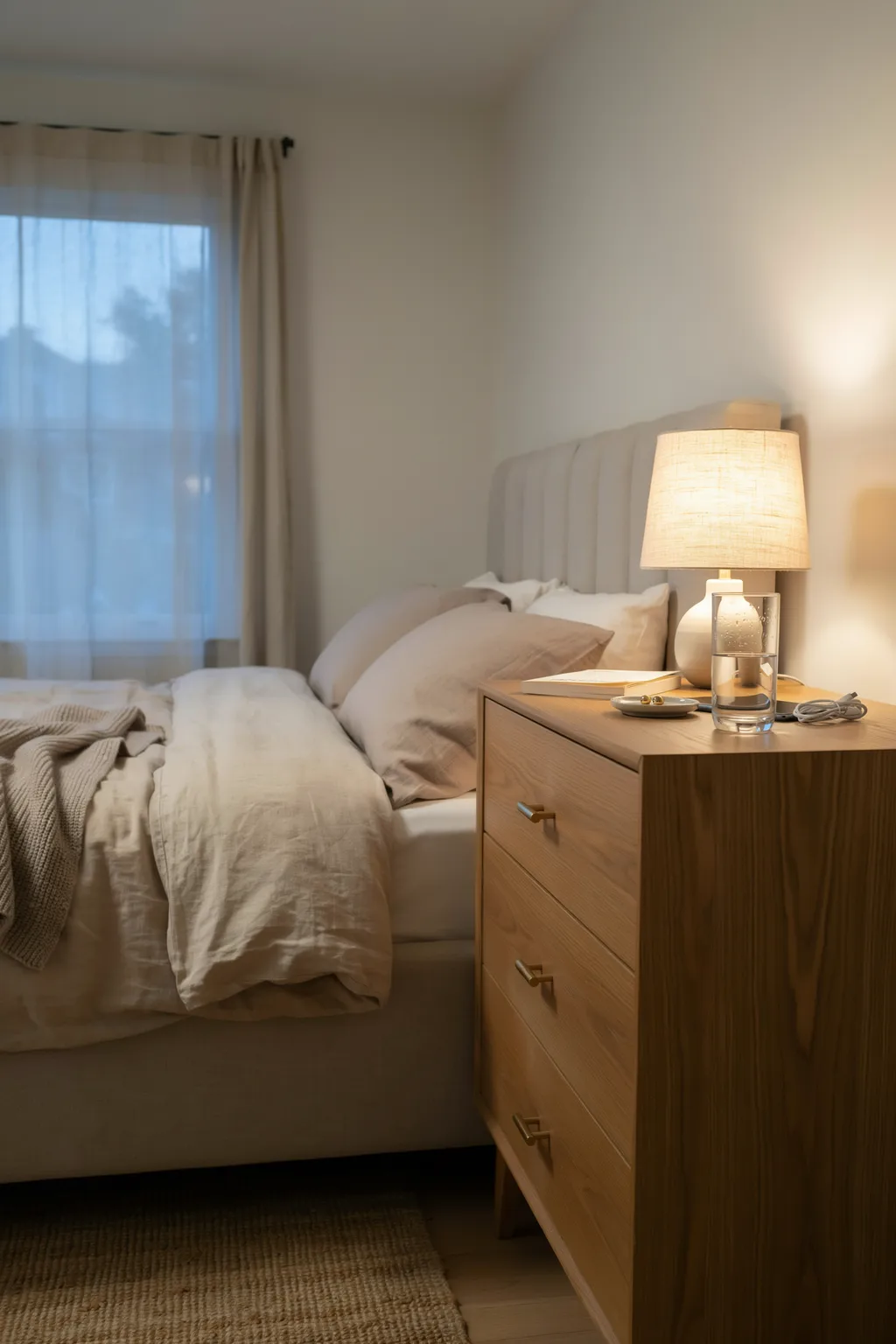
Most nightstands hold a phone, a glass of water, and one drawer of clutter. That is a lot of floor space for very little storage.
Slide a narrow three drawer dresser into the nightstand spot instead. You keep the lamp and the phone charger, and you gain two or three real drawers right beside the bed. Pajamas, socks, and underwear live within arm’s reach, which quietly frees a chunk of your closet too.
Match the height to your mattress. A dresser top within 2 inches of the top of the mattress feels like a nightstand. Much taller and you are reaching up for your water at 2 a.m.
A nightstand with one messy drawer, plus a separate dresser eating a full wall across the room.
One bedside dresser doing both jobs: lamp and charger on top, three drawers of clothes below, and a whole wall freed up.
4. Pick a Shallow 12 to 14 Inch Dresser for Tight Walkways
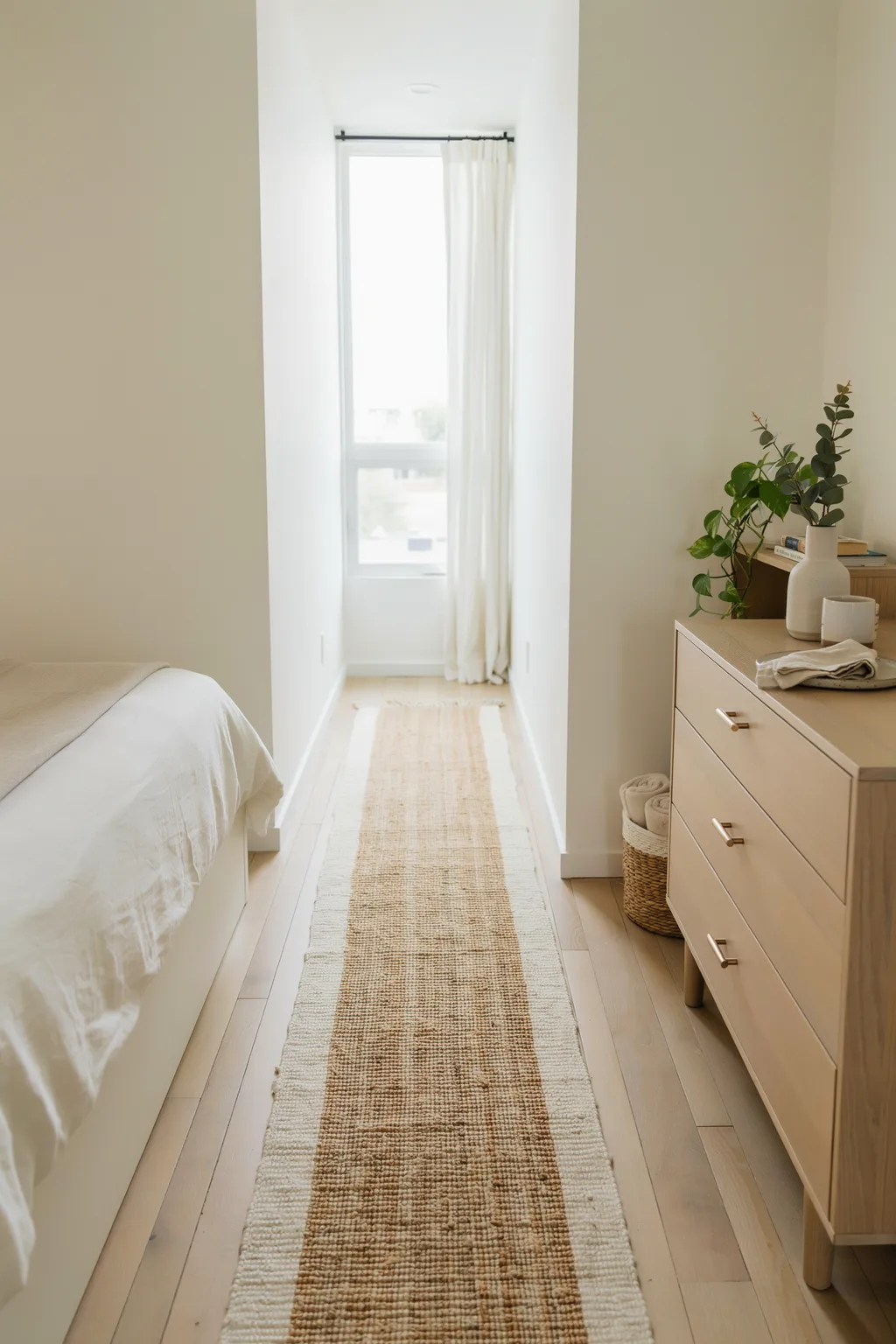
Most small bedroom dresser ideas obsess over width, but depth is the measurement that actually pinches a tight room. A standard dresser runs 18 to 20 inches deep. In a narrow bedroom, that can leave you shuffling sideways between the dresser and the bed.
A shallow dresser gives back 6 inches of walkway, which is the difference between squeezing past and walking normally. Aim to keep at least 24 inches of clear path beside the bed.
The tradeoff is honest: shallow drawers will not hold bulky sweaters folded flat. Roll them, or send bulky items to under-bed bins and keep the shallow drawers for everyday layers.
| Standard depth (18 to 20 in) | Shallow depth (12 to 14 in) |
|---|---|
| Holds sweaters and jeans folded flat. | Best for rolled clothes, tees, and everyday layers. |
| Can choke a walkway to under 24 inches. | Gives back about 6 inches of clear path. |
| Fits most standard bedrooms. | The pick for rooms under 10 feet wide. |
5. Hang a Mirror Above It to Double the Light
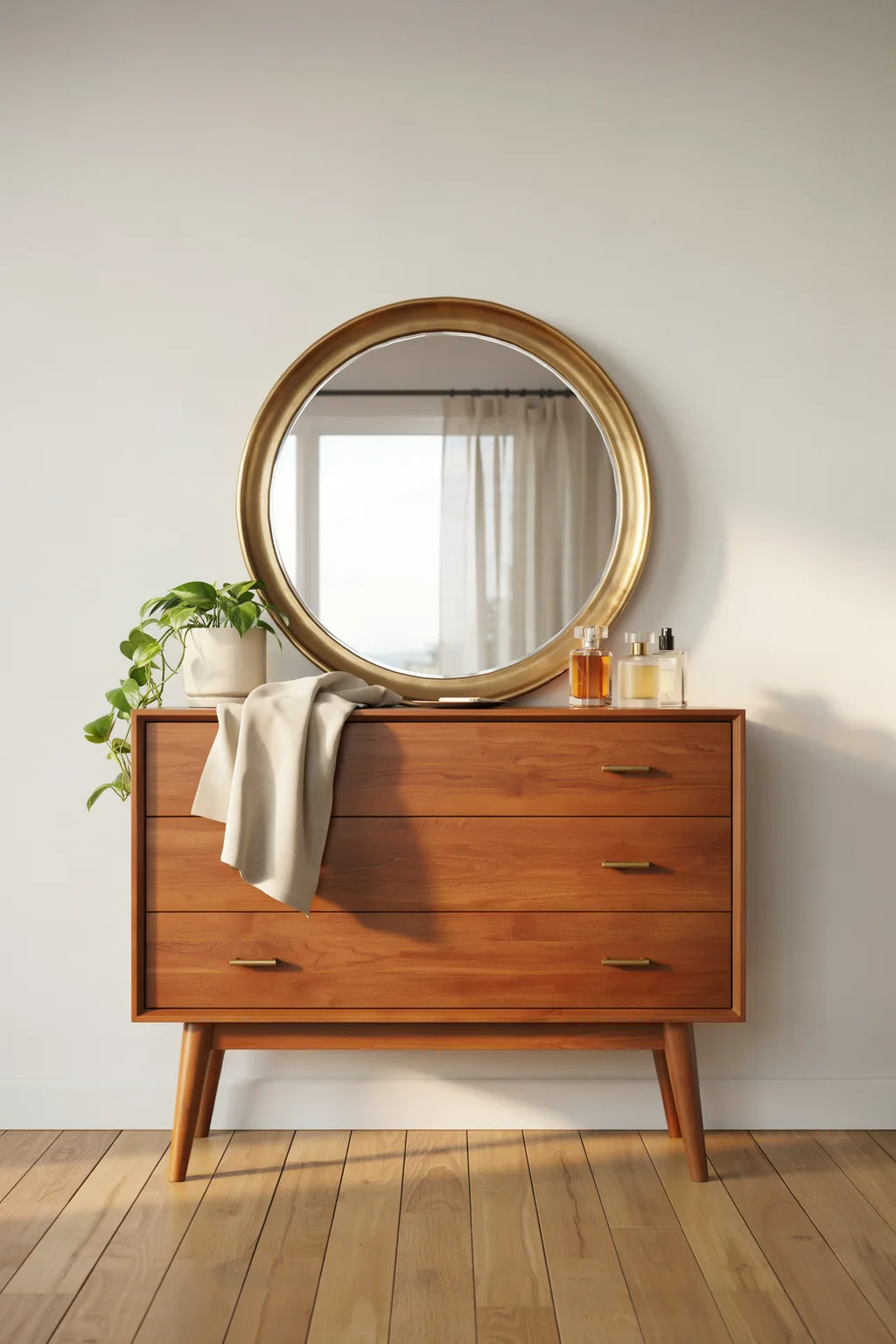
A dresser with a big mirror above it changes the wall around it. The mirror bounces window light into the darker half of the room, and the reflection reads as extra depth, so the wall stops feeling like a dead end.
Go bigger than feels natural. A mirror about two thirds the width of the dresser looks balanced, and hanging it 6 to 8 inches above the dresser top keeps the pair reading as one unit.
Place the dresser on the wall opposite or beside the window, not facing away from it. The mirror can only work with the light it can catch.
Size the mirror to about two thirds of the dresser’s width and let it face the window. The pair works as one piece of furniture that stores clothes and spreads light.
6. Claim the Awkward Corner Nobody Uses
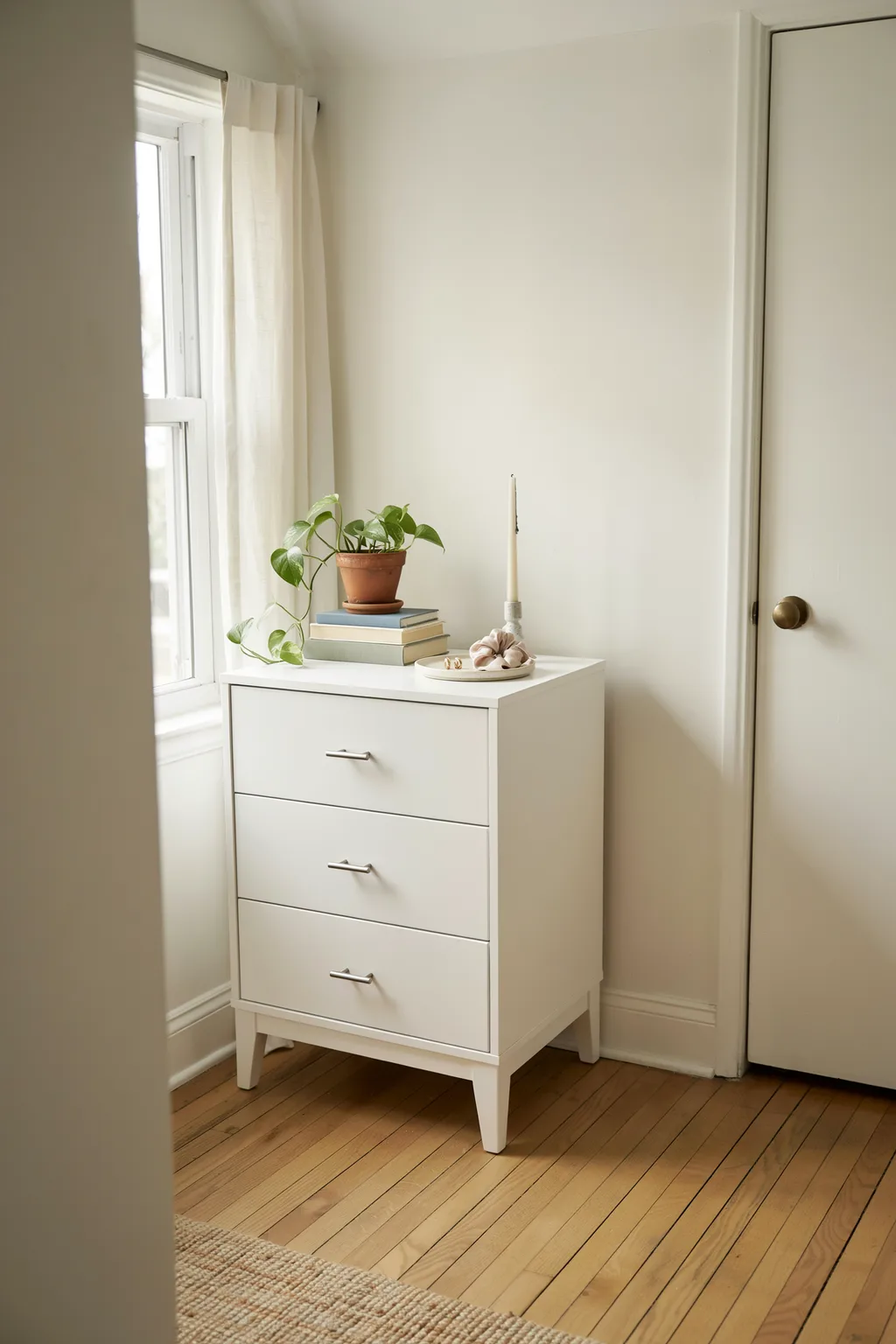
Every small bedroom seems to have one dead corner, usually between the closet door and the window, where nothing quite fits. A corner dresser turns that wasted wedge into real storage without touching your open wall space.
Measure before you fall in love with one. Corner pieces are unforgiving, because a unit even one inch too wide will block a door swing or a curtain.
Measure both walls from the corner to the first obstacle: trim, outlet, vent, or door swing.
Use the shorter measurement as your maximum width per side, then subtract 1 inch for breathing room.
Swing every nearby door and pull every drawer to confirm nothing crosses the corner zone before you buy.
7. Build It Into the Closet and Free the Floor Entirely
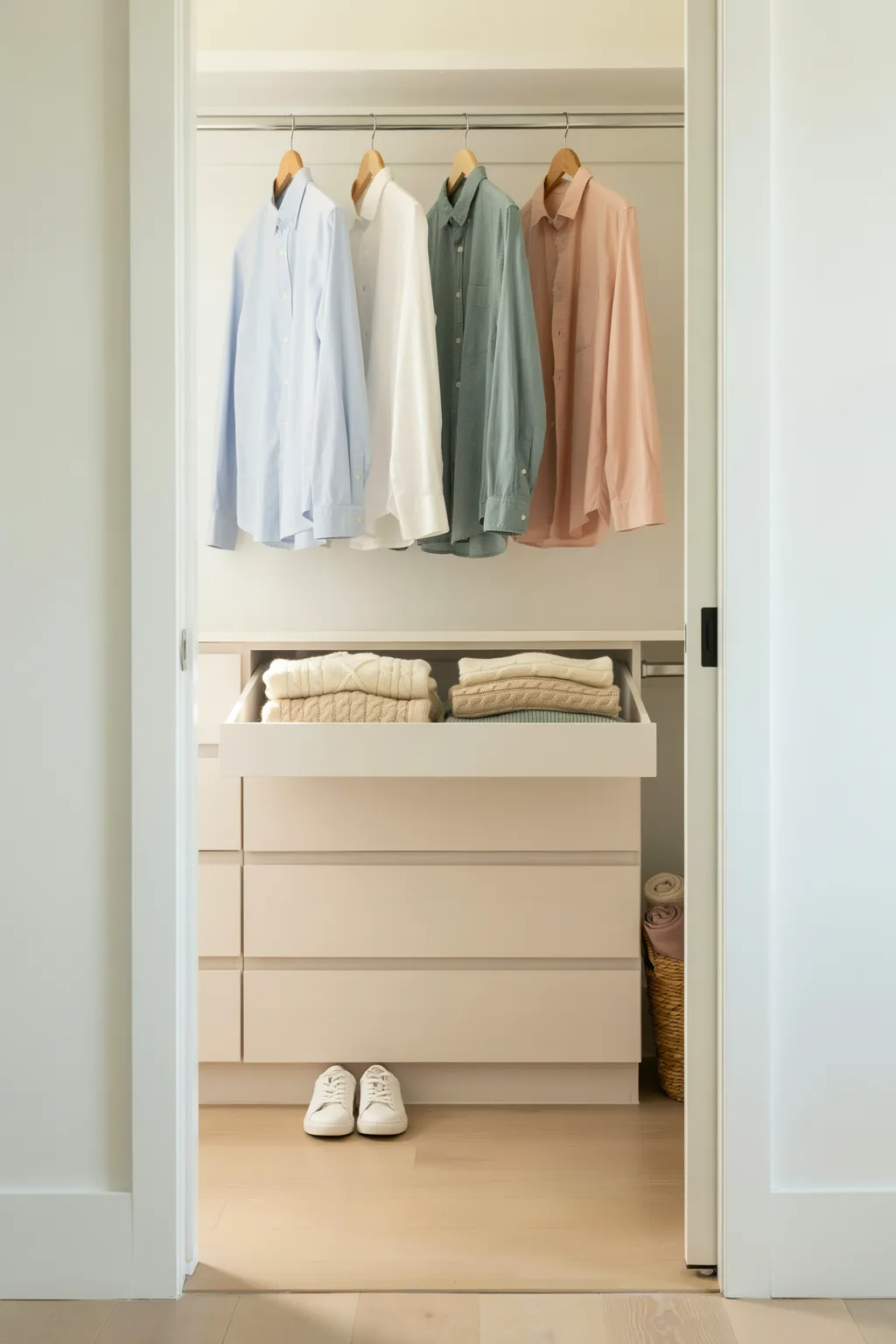
Of all the small bedroom dresser ideas here, the biggest space win is not a smaller dresser. It is moving the dresser off the floor completely by putting the drawers inside the closet.
You get the same storage with zero footprint in the room, and the bedroom instantly looks bigger because one large block of furniture is simply gone. There are three ways in, at three very different price points, so this works for renters as well as owners.
Closet rod height matters here. Drawers below hanging shirts need about 40 inches of clearance, so measure from the floor to your hemlines first.
8. Squeeze More Out of Every Drawer With Smart Inserts
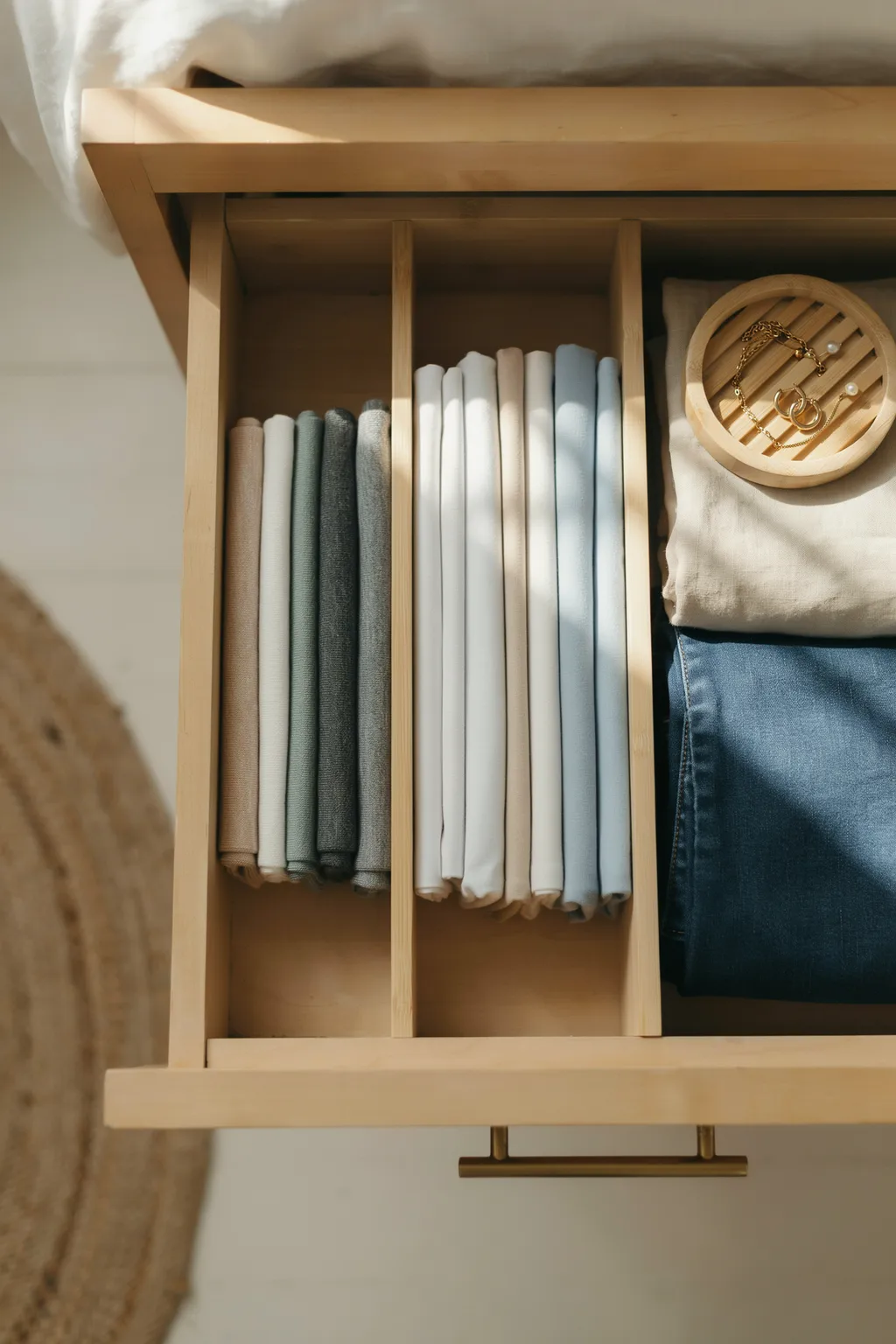
The mistake is buying a bigger dresser when the one you have is only half used. Open a typical drawer and you will find a shallow layer of clothes with dead air above it, plus a tangle in one corner.
Drawer organizers fix the inside so the outside can stay small. A few dollars of dividers often beats a few hundred dollars of new furniture.
Start with the drawer you dig through most, usually the top one, and work down from there.
What to grab first
9. Choose Light Wood and Leggy Frames to Keep It Airy
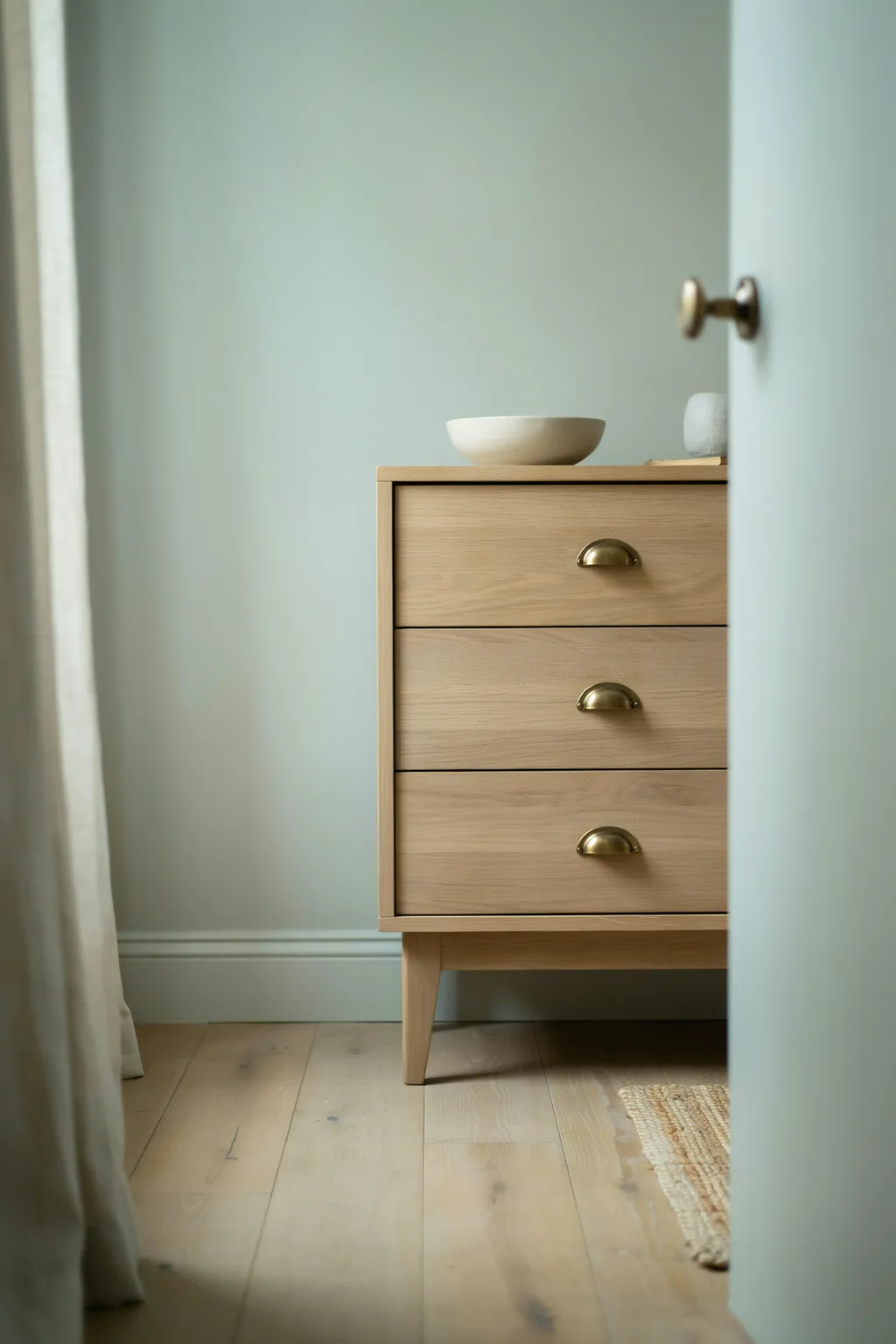
There is a belief that small rooms need small furniture, but the eye does not really count inches. It counts visual weight. A chunky dark dresser that sits flat on the floor reads as a heavy block, while a light oak piece on 6 inch legs can be the same size and feel half as big.
The legs are the quiet trick. Seeing a strip of floor run under the dresser makes the room feel continuous instead of chopped up.
Pale finishes also hide dust and sun fading better than espresso tones, which is a small daily bonus nobody mentions.
Pick light oak, ash, or white finishes that blend with the wall color.
Choose raised legs, around 4 to 6 inches, so floor shows underneath.
Dark espresso blocks that sit flush on the floor in a room under 10 by 10.
High contrast between a dark dresser and pale walls, which makes the piece loom larger.
10. Strip the Visual Clutter With a Handle-Free Front
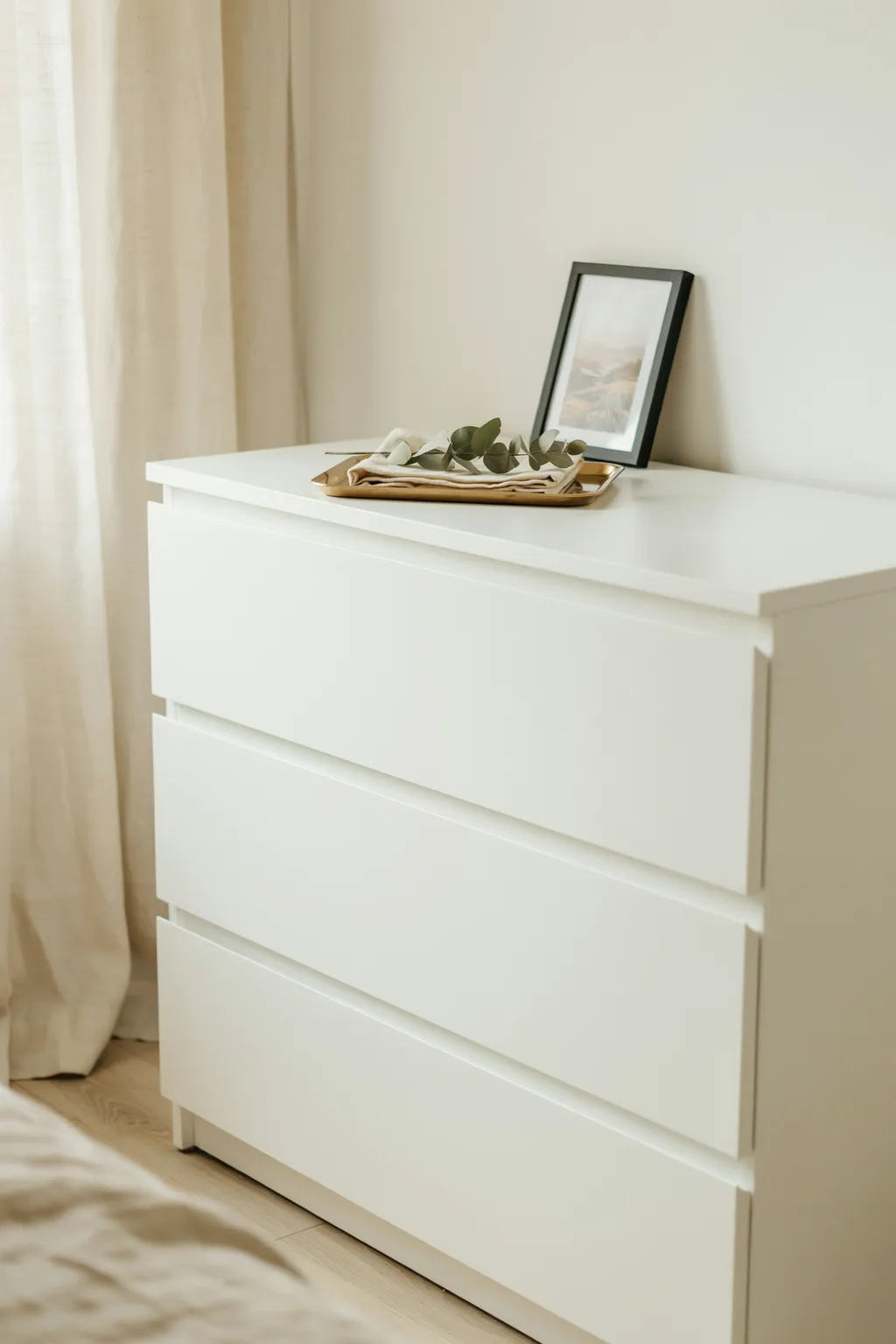
I once swapped a knobbed dresser for a flat push-to-open front in a room the same size, and guests started asking if the room had been repainted. Nothing else changed. Hardware is small, but eight knobs is eight little shadows the eye has to process.
A handle-free dresser gives the wall one calm plane, which matters most in a room where you see the dresser from the bed.
The top counts double. Keep it to three things or fewer:
- A lamp or a small plant, one or the other.
- A tray that catches keys and jewelry so they never scatter.
- One framed photo, not a gallery.
- ▸Clear everything, then allow back a maximum of three items.
- ▸Use one small tray as the only landing zone for pocket clutter.
- ▸Skip doilies and runners, since a bare top reads cleaner and dusts faster.
- ▸If you need a mirror here, mount it on the wall instead of standing it on the top.
Make the Room Work, Then Stop Second-Guessing It
A small bedroom does not need less storage. It needs storage placed where the room can absorb it, whether that is a tall chest on a two foot footprint, drawers hidden inside the closet, or one bedside piece doing two jobs.
Start with a tape measure, not a shopping cart. Write down your walkway width, your sill height, and your dead corner, and half the options rule themselves out before you spend anything.
Save this list of small bedroom dresser ideas to your Pinterest board for the next time you rearrange, and measure twice before the delivery truck shows up.
You Might Also Like