25 Sunny Yellow Living Room Ideas for a Brighter Home
Your living room feels flat. The light is fine, the furniture works, but the whole space reads a little gray and tired, and you cannot figure out what is missing. Nine times out of ten, the fix is warmth, and few colors bring warmth faster than yellow. These yellow living room ideas are built to add that glow without turning your space into a lemon.
Yellow scares people, and I get why. Done wrong, it can feel like a fast-food booth or a 1970s throwback. Done right, it is the most welcoming color in the house: sunny in winter, cheerful on gray mornings, and flattering to skin and wood tones alike. The trick is knowing how much to use, which shade to pick, and what to pair it with so it reads as considered rather than childish.
That is exactly what this list gives you. You will see 25 real, styled rooms, each grounded in a photo, ranging from a single mustard armchair to a full sun-drenched sunroom. Some are big commitments like a painted wall or a velvet sofa. Others are five-minute swaps like pillows or a throw. Each one tells you the specific move, why it works, and when to skip it. Pick two or three that fit your room and your nerve, and start there. You do not need all 25.
Quick Answer
Use yellow as your accent, not your whole scheme, and keep everything around it calm. The safest yellow living room ideas lean on the 60-30-10 rule: 60% neutral base (walls, big furniture), 30% secondary tone (wood, grey, navy), and just 10% yellow in a sofa, chairs, or pillows. Pick a warm, slightly muted yellow like mustard or ochre over a bright primary, and let natural light do the rest.
1. Pair Soft Yellow Walls With Warm Neutrals
Soft yellow walls are the gentlest way to try this color at scale. A pale, buttery yellow reads almost like a warm cream in daylight, so it wraps the room in a soft glow instead of shouting. Keep the big pieces neutral, a cream sofa, a linen armchair, a light wood coffee table, and the yellow stays in the background where it belongs. Add a jute rug and a couple of leafy plants, and the whole room feels sunlit even on a dull day.
This works because the yellow is doing mood, not making a statement. When the walls are the only yellow element, everything else can stay quiet, and the eye reads the space as calm and airy rather than busy. Sheer white curtains help by bouncing daylight around and keeping the corners bright. If your living room faces north and gets cool light, a soft yellow is one of the few colors that can genuinely warm it up. Skip a bright lemon here, though, since strong yellow on all four walls can feel overwhelming fast.
2. Anchor the Room With a Bold Yellow Sofa
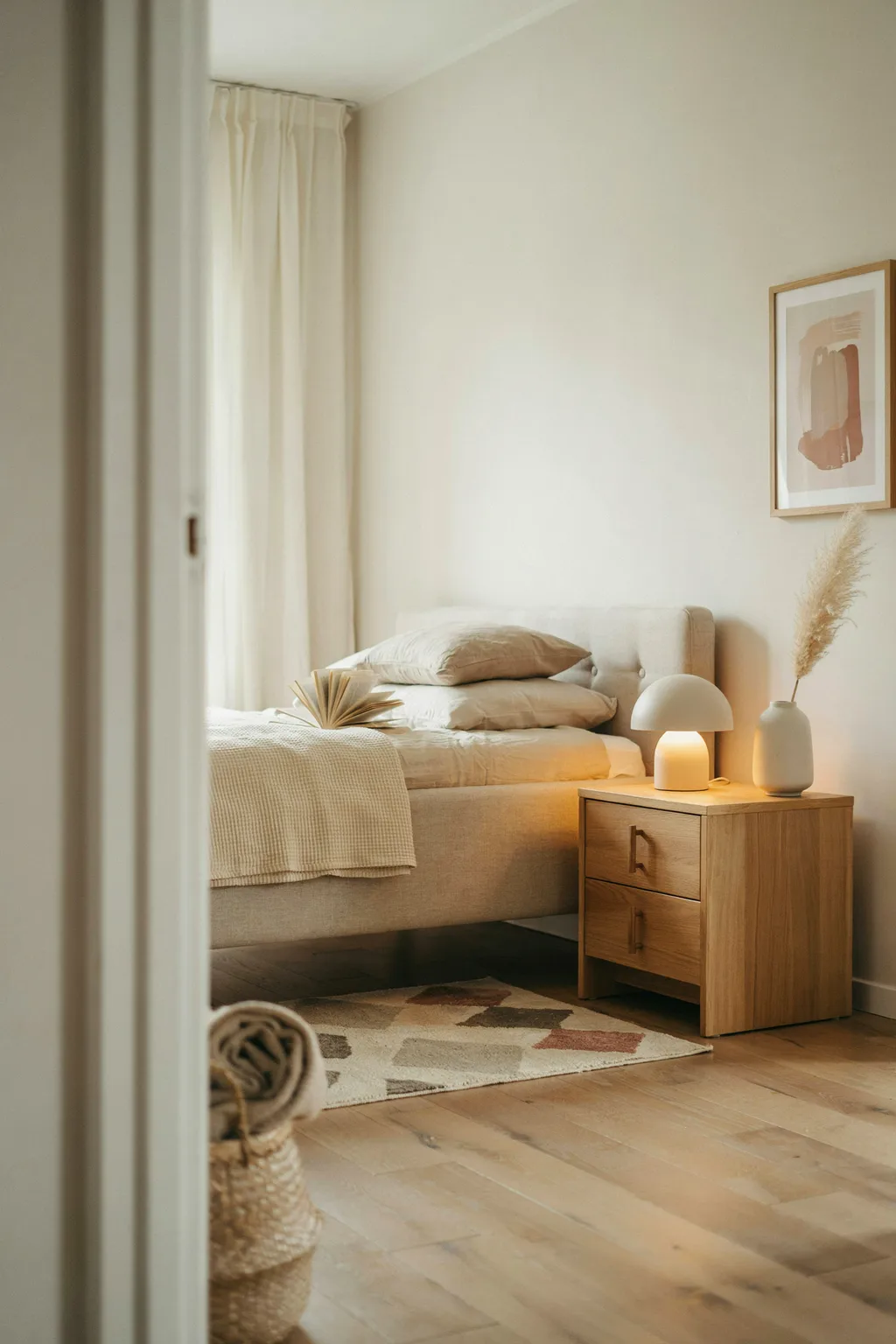
If you want yellow to be the star, a bold sofa is the boldest way to do it. A saturated mustard or golden velvet sofa becomes the whole point of the room, so everything else can step back into soft white and grey. Set against a plain pale wall, that single piece carries the color story on its own, and the contrast makes both the sofa and the wall look richer.
A statement sofa works because it concentrates the color in one place instead of scattering it. Your eye lands on the sofa, registers “yellow room,” and moves on, so the space feels confident, not cluttered. Velvet is the fabric to reach for here; it catches light and shifts from deep gold to bright yellow as you move around it, which gives the room depth. Keep the floor and walls muted, a stone or pale concrete floor, simple low wood tables, so nothing competes. The honest caveat: a bold sofa is a commitment, and reupholstering later is not cheap, so buy a shade you still love in five years. Few yellow living room ideas make a stronger first impression than this one.
3. Cool Down Yellow With Charcoal Grey
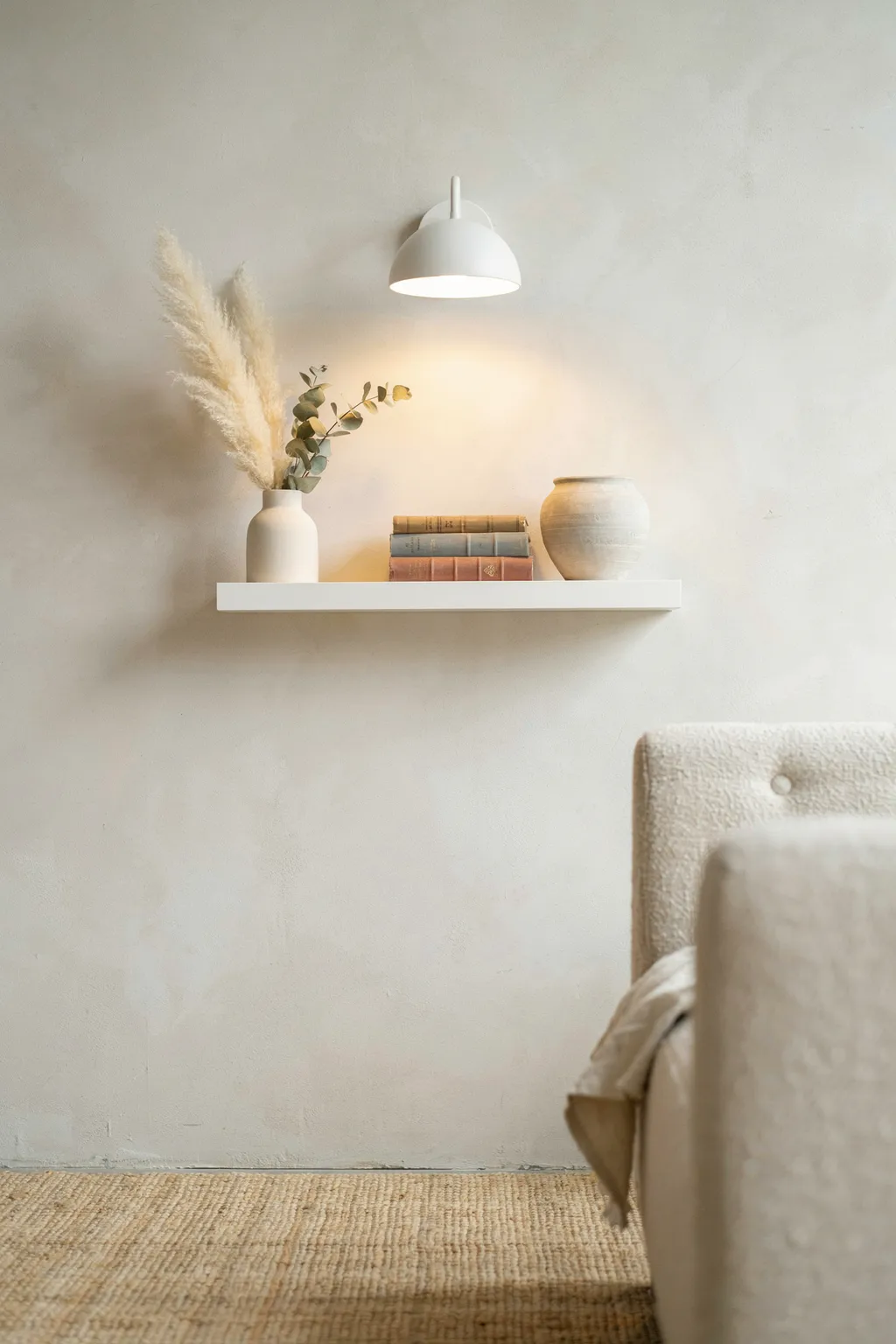
Yellow and charcoal grey are a power pair. The deep, cool grey grounds the warm yellow so the room feels grown-up instead of sugary, and the high contrast reads as modern and intentional. A mustard sectional against a charcoal panelled wall is the clearest version of this, with the dark backdrop making the yellow glow like a light source.
The reason this combination lands is simple color theory: warm next to cool, light next to dark. That tension keeps the eye interested, and grey is the perfect partner because it stays neutral while still feeling moody and rich. Bring in a geometric rug that carries both tones, plus a black metal coffee table and industrial pendant lights, and the room feels pulled together. Grey also hides wear well, so it suits a busy family room. If your space is short on natural light, be careful: a large charcoal wall can darken things, so reserve it for the wall behind the sofa and keep the rest pale.
4. Go Boho With Golden Yellow and Rattan
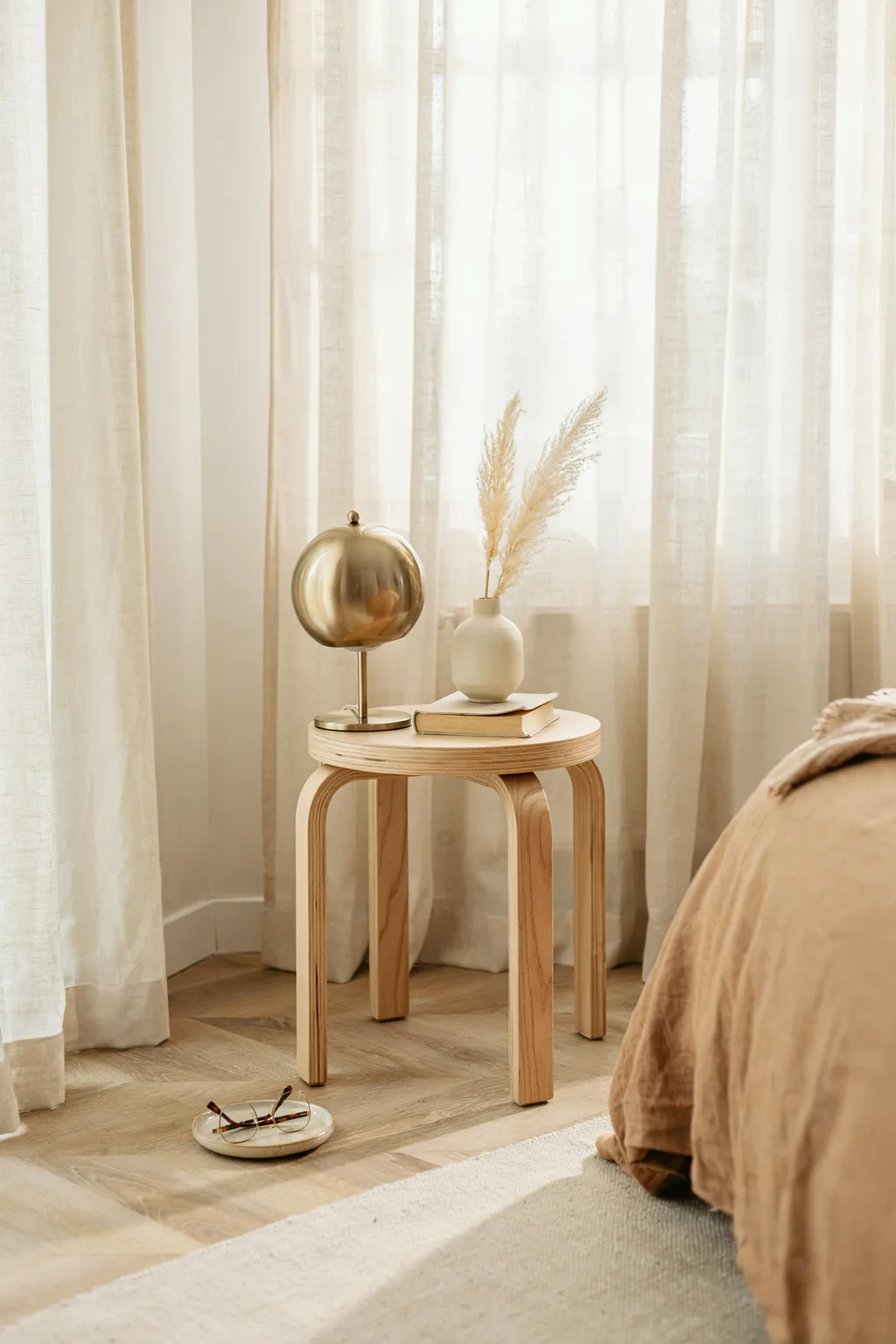
For a relaxed, sun-baked feel, marry golden yellow with natural rattan and woven textures. A soft golden linen sofa surrounded by cane chairs, jute rugs, and woven wall hangings gives you that easy, holiday-at-home mood. The yellow here is warm and slightly faded, more honey than highlighter, which keeps the whole look mellow and lived-in.
This scheme works because every material is warm and organic, so nothing clashes with the yellow; they all sit in the same sandy, sun-bleached family. Layering different textures, linen, rattan, jute, dried pampas grass, adds richness without adding louder color, so the room feels full but calm. Cluster woven baskets and a couple of trailing plants to lean into the boho ease. This look rewards a bright, sunny room where the natural fibers can glow. It falls flat in a dark space, where all that beige and gold can turn muddy, so add warm lamps if your light is low.
5. Wrap the Walls in Classic Buttery Yellow
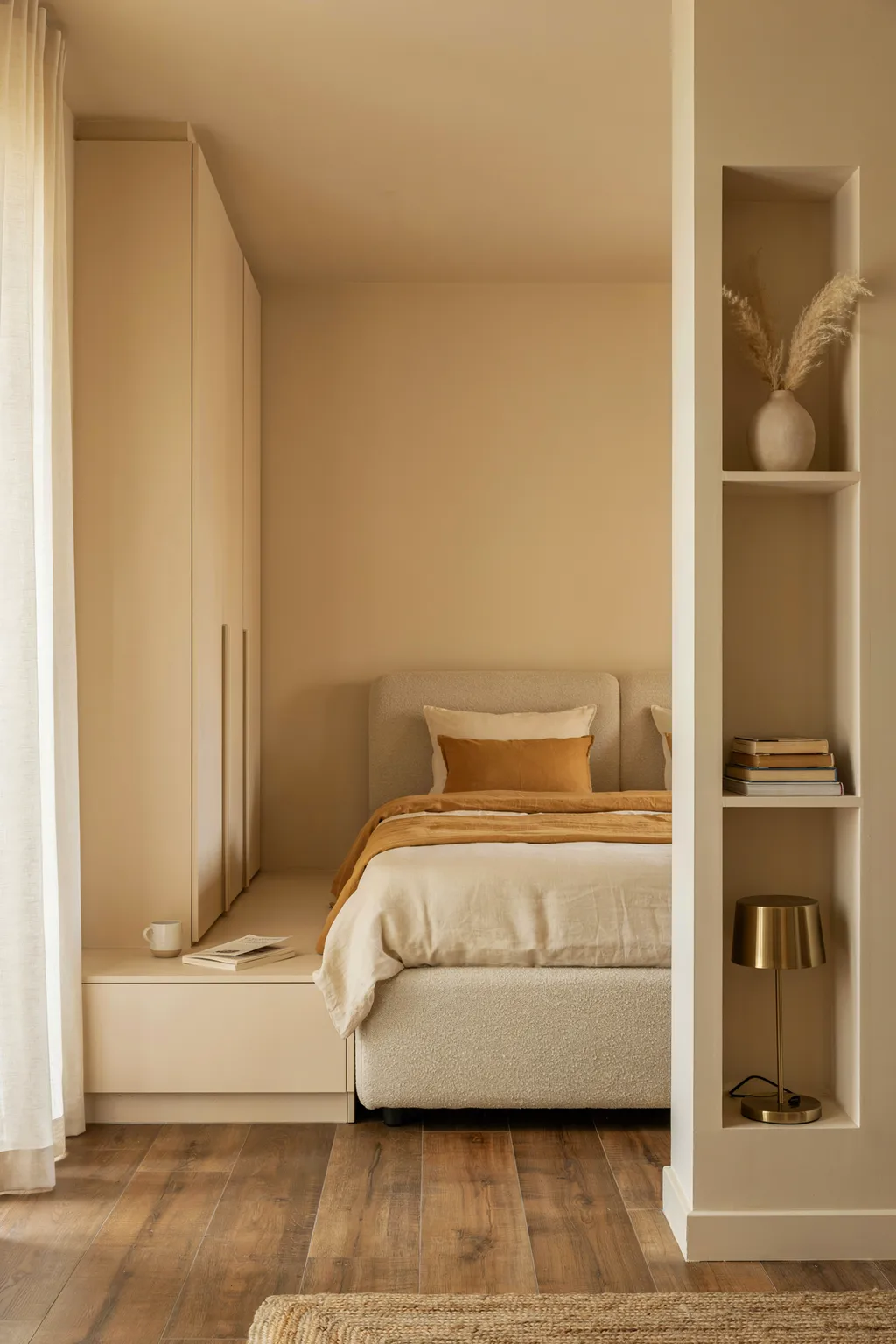
There is a reason buttery yellow walls have shown up in traditional homes for a century: they are timeless and endlessly warm. Paired with a cream rolled-arm sofa, floral curtains, and brass floor lamps, a classic yellow wall feels like a well-loved family room that has always been this way. It is comfort-first decorating, and it never really goes out of style.
Classic yellow works because it leans warm and soft rather than bright, so it flatters older furniture, wood tones, and traditional patterns. Floral fabrics in muted reds and greens sit beautifully against it, picking up the warmth without fighting it. Brass and antique wood finishes glow in that light too. This is a look for people who love a layered, collected home rather than a minimalist one. If your taste runs modern and spare, this will feel fussy, so borrow just the wall color and keep the furnishings simple.
6. Bring Back Mid-Century Mustard Chairs
Mustard and mid-century modern were made for each other. A pair of mustard armchairs with tapered legs, set beside a walnut media console, instantly signals that warm 1960s look without feeling like a costume. The muted, earthy mustard is the exact shade that era loved, and it plays perfectly with rich walnut and simple abstract art.
This pairing works because mid-century design already leans on warm woods and confident color, so mustard slots right in. Two matching chairs read as deliberate and balanced, and because they are chairs rather than a whole sofa, the color stays in check. A patchwork or geometric rug underneath ties in other warm tones and adds a little pattern. Keep the walls white or soft cream so the walnut and mustard get to be the heroes. Vintage or reproduction pieces both work here, so you can shop thrift stores or new depending on your budget.
7. Paint One Yellow Accent Wall
Not ready to commit the whole room? Paint one wall. A single yellow accent wall behind the sofa gives you a strong hit of color and a clear focal point, while the other three walls stay neutral and keep the space feeling open. A warm golden or ochre tone works best, framed by soft beige on the surrounding walls so the yellow reads as intentional.
An accent wall works because it concentrates the boldness in one plane, so the room gains energy without closing in. Flanking the wall with a pair of matching wall sconces adds symmetry and a soft evening glow that makes the color feel cozy rather than flat. Keep the sofa and chairs neutral, cream or oatmeal, so the wall stays the star. This is also the most renter-friendly of the bigger yellow living room ideas, since one wall is quick to paint and quick to paint back. Test your shade in both daylight and lamplight first, because yellow can shift a lot between the two.
8. Keep It Light With White and Pale Yellow
For the airiest possible take, pair crisp white with the palest butter yellow. A soft curved sofa in a barely-there yellow, set in a white panelled room with a tall leafy plant and a round white rug, feels fresh, clean, and full of light. This is yellow at its most subtle, more of a warm whisper than a statement.
The scheme works because the pale yellow adds just enough warmth to stop an all-white room from feeling cold or clinical, without ever tipping into bright. White walls and floors reflect light around, and the soft yellow catches it, so the whole space glows gently. A curved sofa softens the look further and keeps it feeling modern. This is ideal for small or dim rooms that need to feel bigger and brighter. The trade-off: pale everything shows every mark, so it suits tidy households more than muddy-boots ones.
9. Warm a Fireplace Room With Ochre Walls
A fireplace deserves a warm backdrop, and deep ochre walls deliver it. Rich, earthy yellow walls around a white mantel make the whole room feel snug and grown-up, especially with a brown leather sofa and a big fiddle leaf fig soaking up the light. This is a cozier, deeper yellow than the pale options, closer to autumn than to spring.
Ochre works here because its depth balances the architecture of a fireplace, giving the room enough visual weight to feel anchored and calm. The warm walls also make firelight and lamplight look wonderful in the evening, wrapping the space in a golden glow. Brown leather, gold curtains, and antique brass all sit naturally against ochre, so a traditional room comes together easily. Keep the ceiling and trim white to stop the depth from feeling heavy. It is one of the warmest yellow living room ideas for a space you mostly use after dark. This suits a north-facing or evening-heavy room that you want to feel warm; skip it if your space is already dark and small.
10. Fit a Yellow Velvet Loveseat in a Small Nook
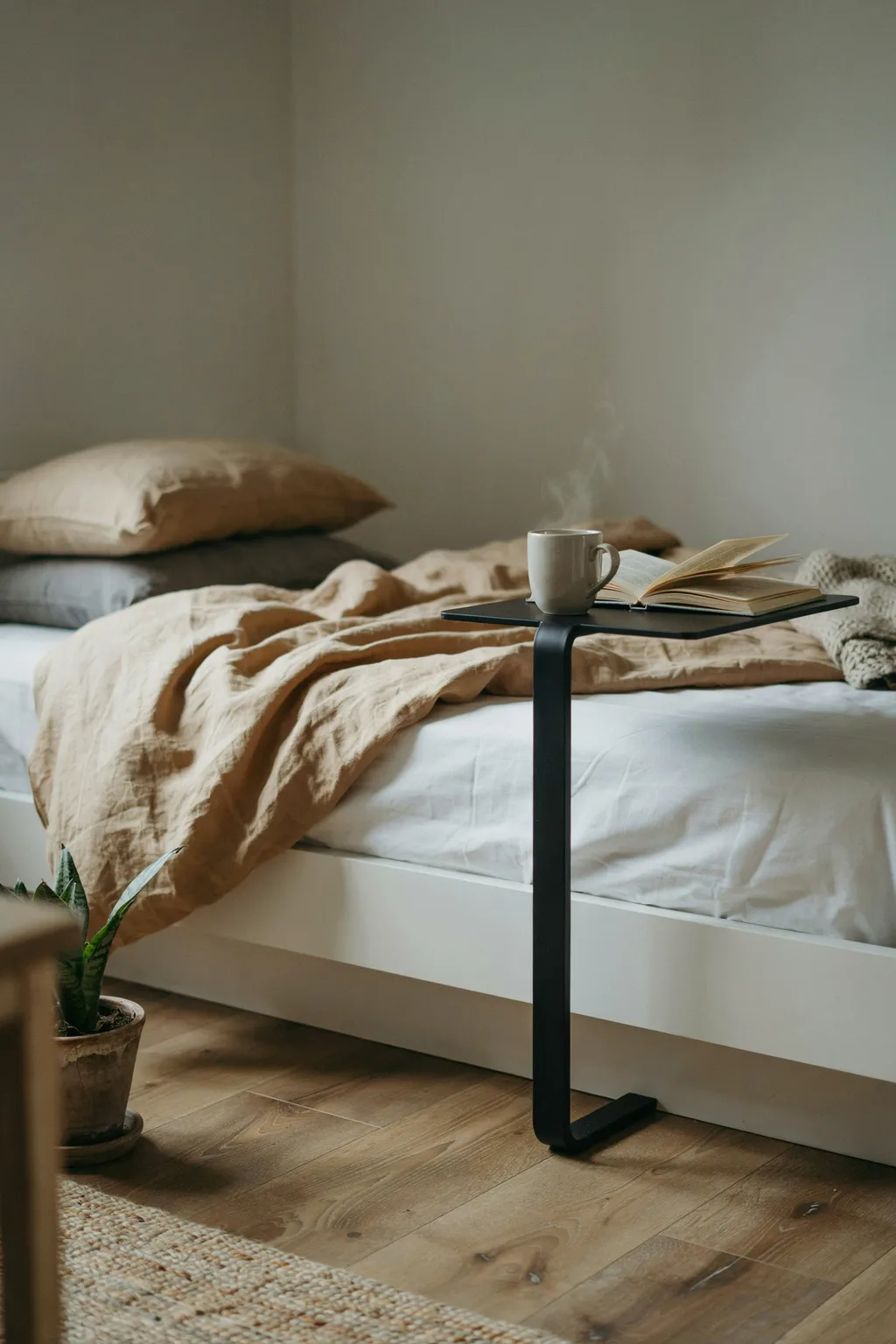
Small spaces can take yellow too, and a compact velvet loveseat is the perfect way in. A scalloped mustard velvet loveseat tucked into a white nook, with floating wood shelves above and a slim glass table in front, turns an awkward corner into a jewel-box seating spot. The plush velvet adds a touch of glamour that punches well above the loveseat’s small size.
This works because a small footprint lets you go bolder with the color and the texture; there is less of it, so a rich mustard velvet feels like a treat rather than a takeover. The white walls of a nook frame the piece like art, and floating shelves add storage and personality without eating floor space. A glass or acrylic table keeps the sightlines open so the corner still feels roomy. This is ideal for apartments, reading corners, or a spare bit of wall you never knew what to do with. Just measure carefully; a loveseat that is even slightly too big will make the nook feel crammed.
11. Add Quiet Luxury With Yellow and Gold
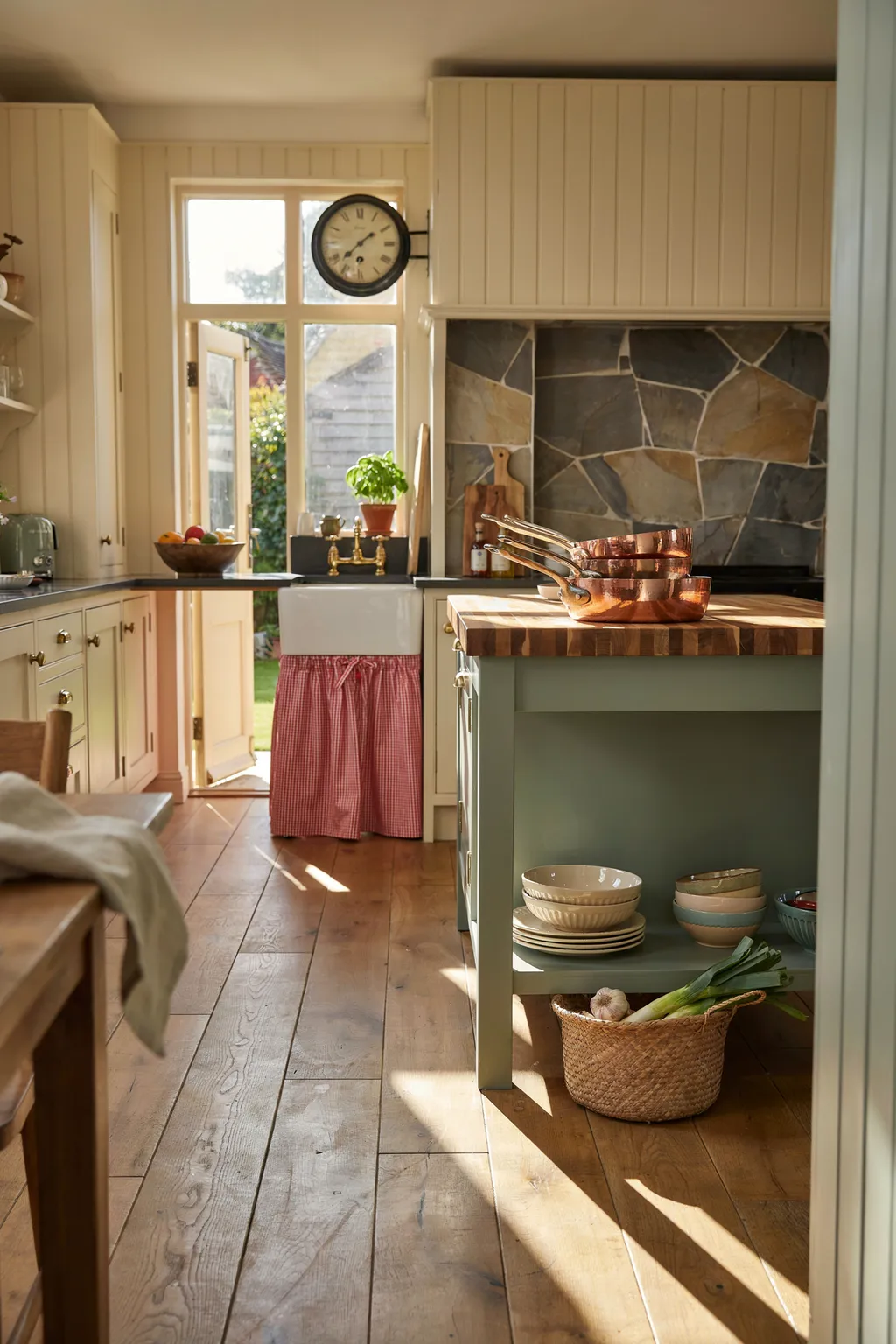
Yellow and gold share the same warm family, so pairing them reads as rich and polished. A tufted mustard sofa under an ornate gilt mirror, with marble-and-brass nesting tables nearby, gives a living room a quietly luxurious feel. The gold picks up the warmth in the yellow and reflects light, so the whole corner sparkles a little.
This pairing works because the metallic gold elevates the yellow from casual to elegant without adding a competing color. Tufting on the sofa and an antique frame on the mirror bring in texture and a sense of history, which keeps the look from feeling flashy. Marble tops and brass legs continue the refined, warm-metal story. Keep the walls a soft greige so the gold and yellow have a calm stage. This look suits a formal sitting room or a grown-up lounge; it can feel too dressy for a casual family space, so scale back the shine if that is you.
12. Mix Bold Patterns Around a Yellow Sofa
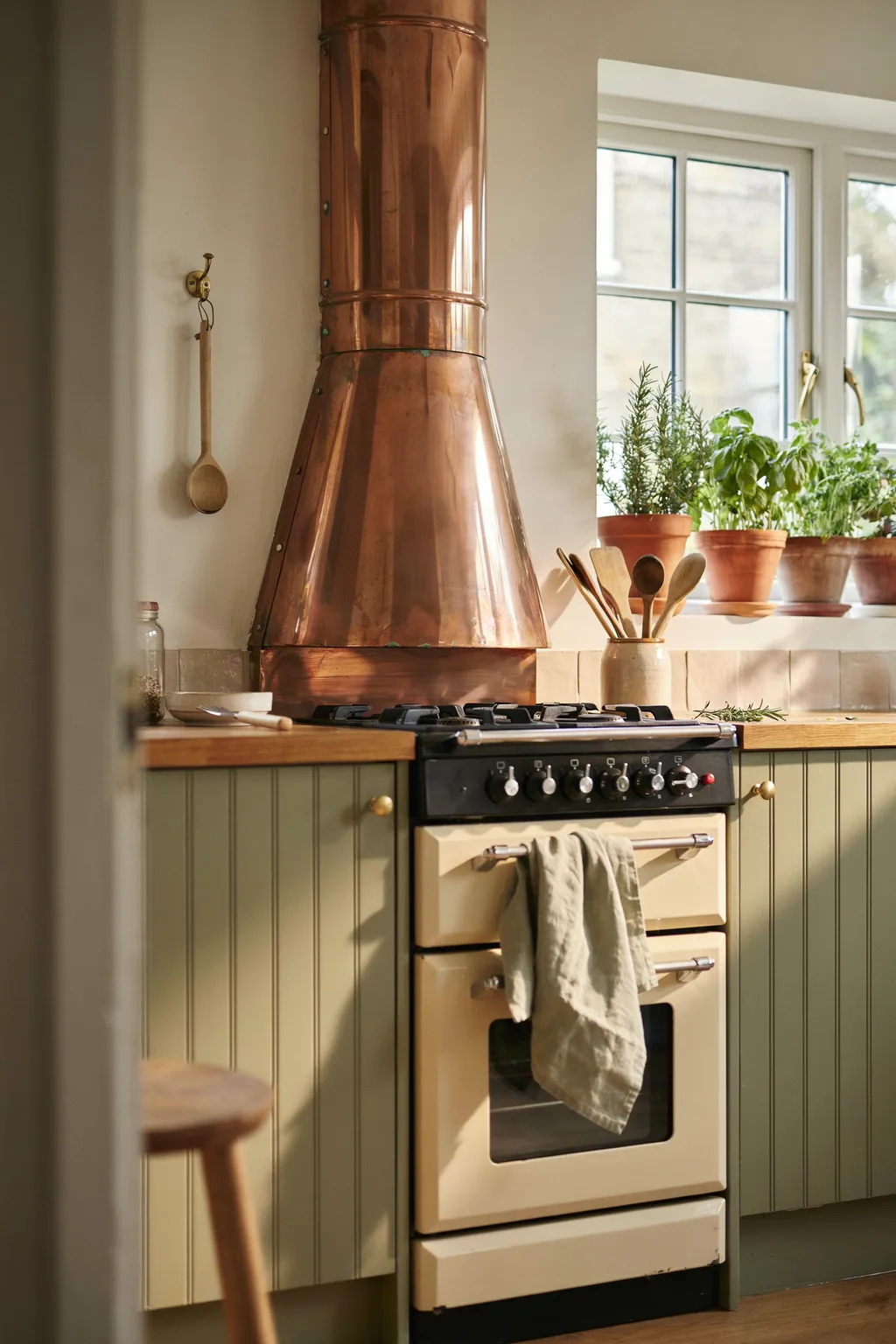
If your style is more-is-more, a yellow sofa is a brilliant anchor for a pattern-rich room. A mustard sofa surrounded by a kilim rug, patterned curtains, colorful abstract art, and a textured pouf feels collected and full of life. The solid yellow gives all those patterns a calm center to orbit, so the room reads eclectic rather than chaotic.
This works because a plain, saturated sofa acts like a visual anchor: no matter how many prints surround it, the eye keeps returning to that steady block of color. Sticking to a shared palette across the patterns, warm reds, blues, and golds here, is what keeps the mix intentional. Layer in a few different textures, a woven pouf, a glazed ceramic side table, so the room feels rich to the touch as well as the eye. This maximalist look is a joy for collectors and travelers with things to show off. It is not for anyone who craves calm, since there is a lot going on. Edit if a corner starts to feel noisy.
13. Dress a Bay Window in Yellow Damask
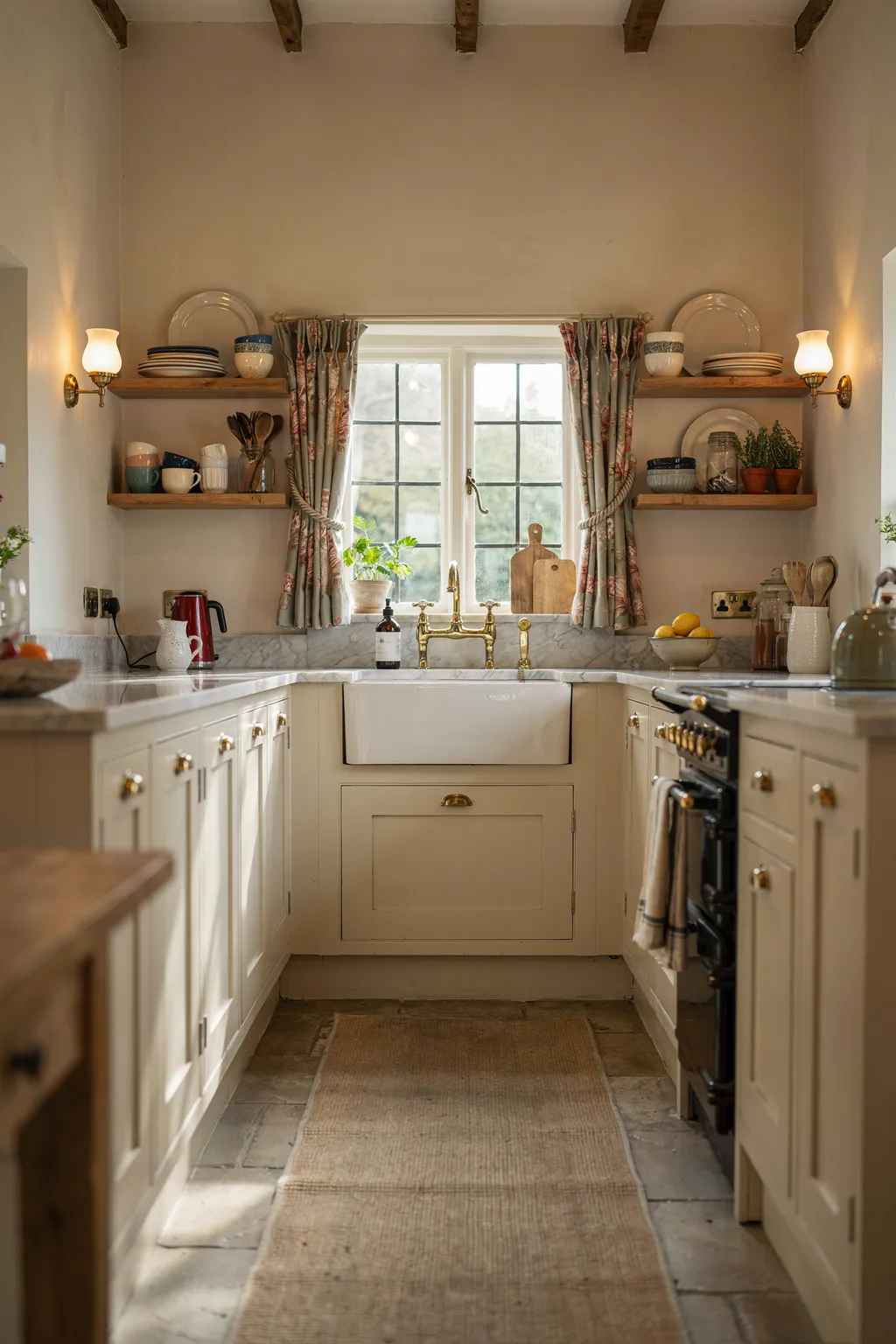
For a grand, traditional room, yellow damask wallpaper brings pattern and warmth at once. A tonal yellow damask on the walls, paired with cream wingback chairs and a white-shuttered bay window, feels like an English country sitting room. The subtle pattern adds depth that flat paint cannot, and the yellow keeps it from feeling stuffy.
Damask works because the pattern is tonal, yellow on yellow, so it reads as texture rather than loud print, which lets it cover a whole wall without overwhelming the space. Cream wingbacks and painted shutters keep the surroundings crisp and bright, balancing the richness of the wallpaper. A wood coffee table and potted plants add natural warmth and stop the formality from feeling cold. This suits period homes and anyone who loves a layered, classic look. It is a bigger job than paint and harder to undo, so commit only if you love it, and buy an extra roll for repairs.
14. Balance Mustard With Deep Navy
Mustard and navy is the pairing that makes yellow feel sophisticated. The deep blue is the natural opposite of warm yellow, so putting them together creates a crisp, tailored contrast that feels modern and a little preppy. A mustard sofa in front of a navy panelled wall, with a white sideboard and a brass lamp, is the look at its sharpest.
This combination works because navy is dark and cool enough to make mustard read as bright and lively, while both colors stay rich and saturated. The white sideboard and warm wood floor give the eye somewhere to rest between the two strong tones. Brass and gold accents bridge the palette, echoing the warmth in the yellow. Board-and-batten panelling on the navy wall adds architectural interest and a custom feel. This suits a room with decent light, since navy can weigh down a dark space, so keep it to one wall and let white trim keep things fresh.
15. Float a Yellow Corner Sofa in an Open Room
In a big, open-plan space, a yellow corner sofa can define a whole seating zone. A mustard sectional with a chaise, floated in the middle of a bright Scandinavian room with white-painted floors, marks out the living area without a single wall. The warm color pulls people toward it and makes a cavernous room feel like it has a cozy heart.
Floating the sofa works because in an open room, furniture has to do the job walls usually do, and a big block of warm color is the clearest way to say “sit here.” The white floor and pale walls keep the space feeling light and endless, so the yellow reads as the one grounding element. A single black pendant above and a couple of simple mid-century chairs complete the zone without crowding it. This suits lofts, studios, and knocked-through spaces that feel a bit adrift. In a small closed room it is overkill, so save the corner sectional for somewhere it can breathe.
16. Add Scandinavian Calm With Yellow Cushions
The lowest-commitment idea on this list is also one of the prettiest: a few yellow cushions in a calm, Scandinavian room. A white slipcovered sofa with two or three mustard pillows, a white ottoman, pale wood floors, and simple wall shelving feels serene and bright, with the yellow adding just a spark of cheer. Swap the covers and the whole mood changes in minutes.
Cushions work because they concentrate color exactly where you want it, at eye level on the sofa, for the price of a couple of covers. In a mostly white Scandinavian room, that small dose of yellow reads as fresh and deliberate rather than loud. Keep the rest of the palette pale and natural, white slipcovers, blond wood, airy shelving, so the pillows stay the accent. This is perfect for renters, commitment-phobes, and anyone who likes to change things seasonally. There is no real downside, which is why cushions are the smartest first step into any of these yellow living room ideas.
17. Try a Monochrome All-Yellow Scheme
For the truly daring, commit fully and go monochrome. Yellow walls, a yellow velvet sofa, and yellow armchairs create a bold, immersive room that feels like standing inside sunshine. Black metal sconces and dark accents keep it from feeling flat, adding contrast and structure to all that warmth.
An all-yellow room works because staying in one color family, from pale to deep, reads as intentional and dramatic rather than mismatched. Varying the shades and textures, a velvet sofa here, a matte wall there, is what gives the room depth instead of looking like a paint chip. Yellow is also known to lift mood and energy, which is part of why an immersive yellow space feels so cheerful; you can read more on how color affects mood from a source like Verywell Mind. This is a statement for bold decorators and creative spaces. It is genuinely a lot to live with, so if you love the drama but not full-time, try it in a small snug or home office first.
18. Soften a Cottage Room With Pale Yellow
For a sweet, lived-in cottage feel, pale yellow beadboard walls set the perfect backdrop. Combined with white slipcovered chairs, floral pillows, gilt-framed art, and a sisal carpet, the soft yellow gives a cottage room its sunny, unfussy charm. It is nostalgic and cozy without trying too hard.
This works because pale yellow and cottage style share the same gentle, homespun spirit; the color is soft enough to sit behind florals and antique frames without competing. Beadboard or panelling adds cottage texture, while white slipcovers keep things fresh and washable. Muted floral pillows and roman shades bring in a little pattern and a garden feel that suits the sunny wall color. This is a warm, welcoming look for country homes, older houses, and anyone who loves a bit of nostalgia. If your style is sleek and modern, it will read as dated, so this is one to skip in a contemporary flat.
19. Flank a Neutral Sofa With Yellow Armchairs
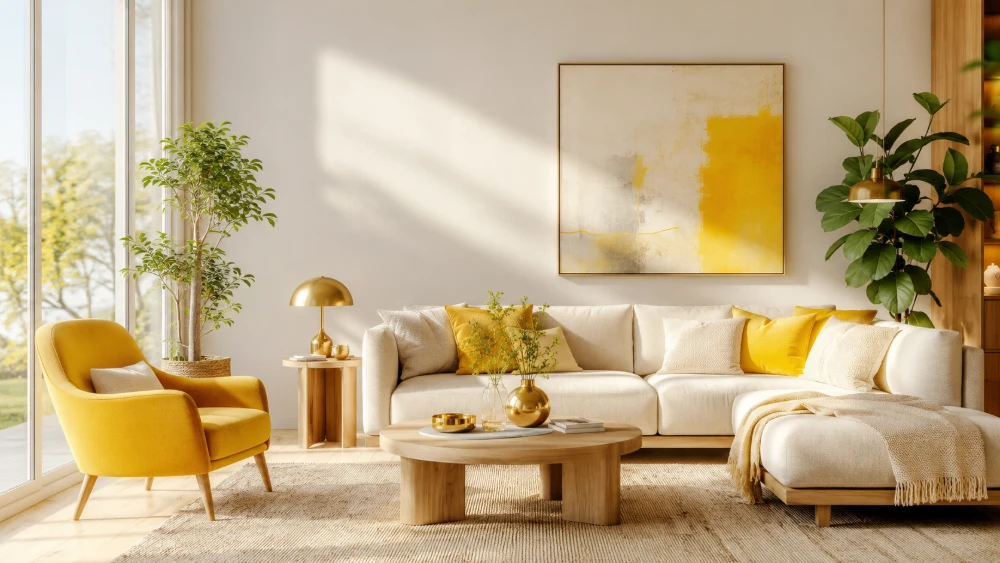
You do not need a yellow sofa to get plenty of yellow. A neutral sofa flanked by two bright yellow armchairs gives you a balanced, symmetrical hit of color that is easy to swap later. With a large abstract artwork above and a round wood coffee table between, the yellow chairs frame the seating area and pull the whole room together.
Two matching chairs work because symmetry is calming; a yellow chair on each side of the coffee table creates order, so bold color still feels restful. Keeping the sofa neutral, a soft grey or oatmeal, lets the chairs shine and keeps the room from feeling one-note. A large piece of art that carries a touch of yellow ties the scheme together overhead. Chairs are also far easier to move, reupholster, or replace than a sofa, so this is a lower-risk way to go bold. As one of the lowest-risk yellow living room ideas, it suits almost any room; just make sure the chair yellow and any yellow in your art actually match, or the effect gets muddy.
20. Build a Sunroom Feel With Wicker and Yellow
Yellow and a sunroom are a natural match, all light and warmth and plants. Pale yellow walls, white wicker furniture with soft yellow cushions, tropical plants, and a light tiled floor create a bright, breezy room that feels like a permanent summer morning. Warm wall sconces keep the glow going after sunset.
This works because the sunroom look is built on light and greenery, and yellow amplifies both, echoing the sunshine pouring through the windows. White wicker keeps the furniture visually light and casual, while yellow cushions add comfort and color without weight. A generous group of leafy plants brings the outdoors in and pops beautifully against the warm walls. A tiled or stone floor stays cool and practical for a plant-heavy, sunny space. This is ideal for a conservatory, porch, or any room with lots of glass. In a dark interior room it will not ring true, since the whole look depends on real daylight.
21. Have Fun With a Striped Yellow Loveseat
Stripes give yellow a playful, upbeat edge. A yellow-and-cream striped loveseat brings cheerful energy and a hint of vintage carnival charm, especially in a quirky room layered with a bold kilim rug and old wooden chairs. The stripes break up the color so it feels lively rather than heavy.
Stripes work because they add rhythm and movement, turning a plain block of yellow into something with a bit of personality and wink. Pairing the loveseat with mismatched vintage chairs and a patterned rug leans into the collected, flea-market look and keeps the room from feeling too serious. A large piece of graphic art behind it, kept abstract and simple, adds a modern counterpoint to the old wood. This suits creative, unfussy homes and people who like a room with a sense of humor. If you prefer calm and coordinated, stripes plus patterns will feel like too much, so tone down the surroundings.
22. Pair Sunny Yellow With Forest Green
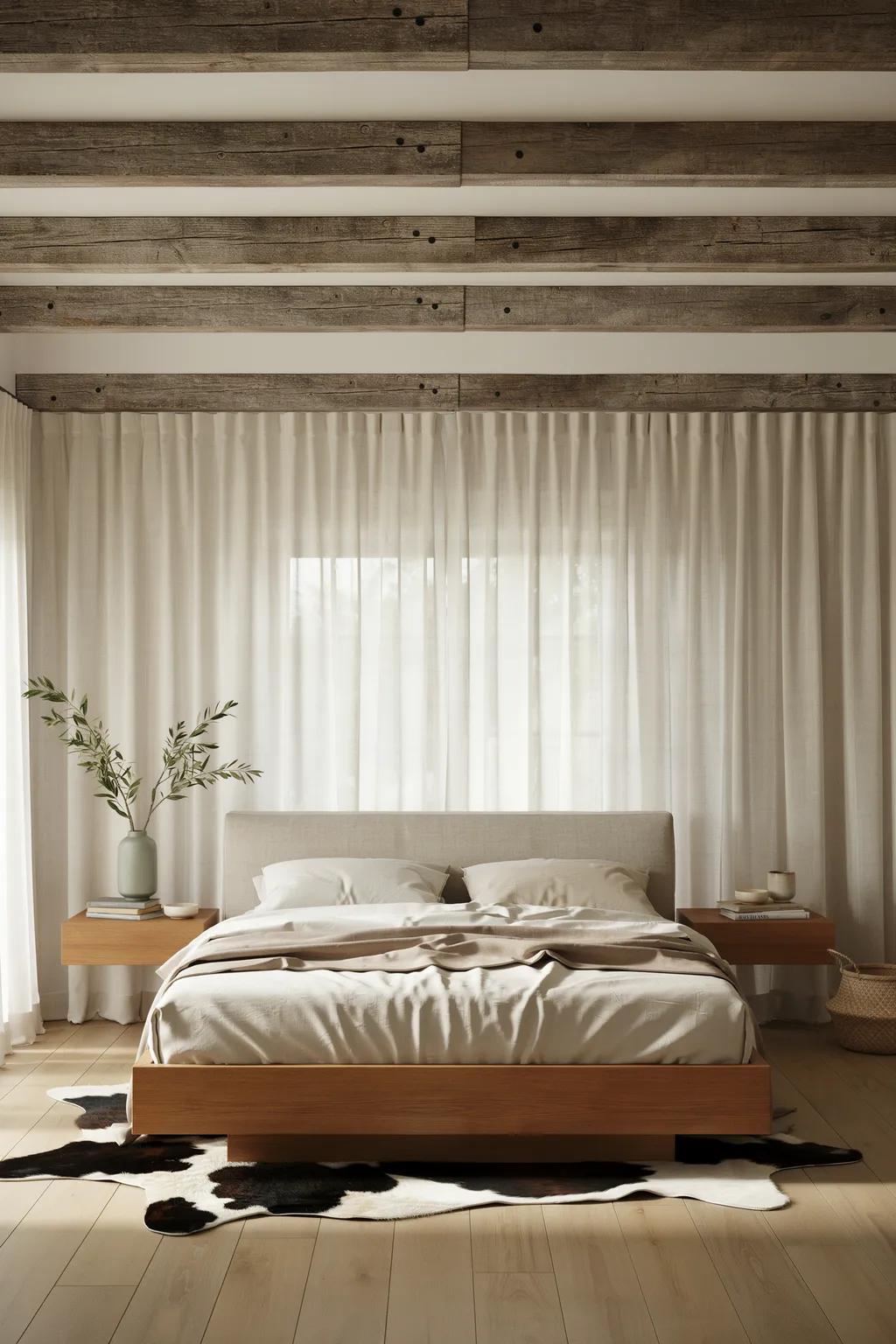
Yellow and green come straight from nature, so together they feel fresh and alive. Bright yellow seat cushions paired with deep forest green velvet pillows, set against warm plaster walls and surrounded by leafy plants, give a room a lush, garden-courtyard feel. The green deepens and grounds the yellow, like leaves around a flower.
This pairing works because green and yellow sit next to each other in nature constantly, so the eye reads the combination as harmonious and calming even when the colors are strong. The forest green adds richness and a cool note that keeps the sunny yellow from feeling one-dimensional. Warm terracotta or plaster walls tie both tones to something earthy, and real plants echo the green and make the whole scheme feel intentional. This suits a relaxed, plant-filled home or a bright garden room. It needs greenery to sing, so if you cannot keep plants alive, lean on green textiles and art instead.
23. Lean Into Vintage With Retro Mustard
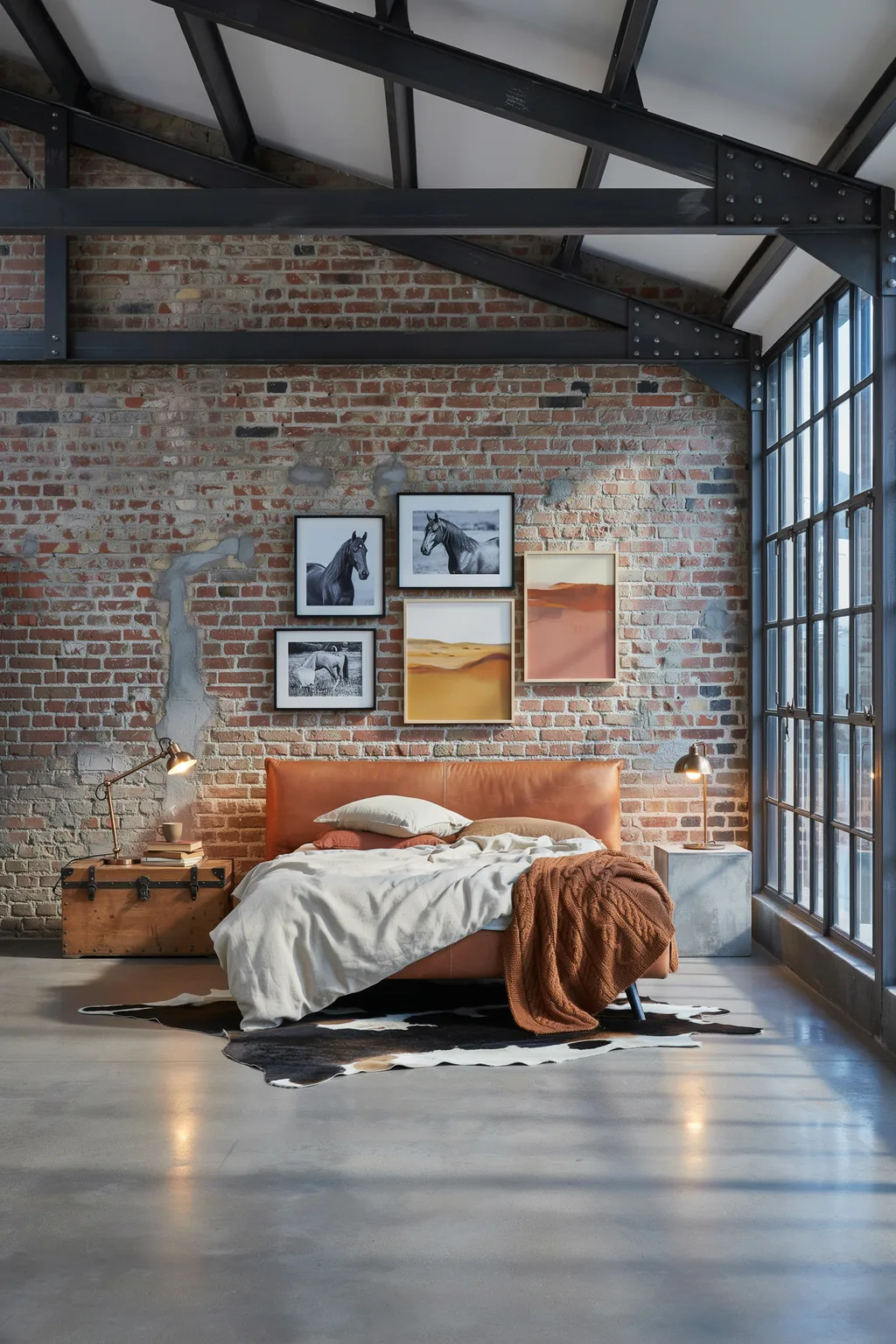
For a room with soul, go full vintage with retro mustard. A pair of skirted mustard armchairs, a dark wood side table with an old rotary phone, a fringed lamp, and patterned drapes conjure a warm, 1970s parlor mood. The muted mustard is the exact nostalgic shade that era wore so well.
This works because retro furniture and mustard are period-perfect partners; the color instantly reads as vintage, so thrifted pieces look intentional rather than random. Skirted chairs, turned-leg tables, and glazed ceramic lamps pile on the era’s cozy, layered feel. Warm wood tones and patterned curtains deepen the throwback mood without any single element feeling like a museum piece. This suits collectors, thrifters, and anyone drawn to a home with history and character. It can tip into dated if you overdo it, so mix in one or two clean modern pieces to keep it feeling styled, not stuck.
24. Frame Yellow With Black for Contrast
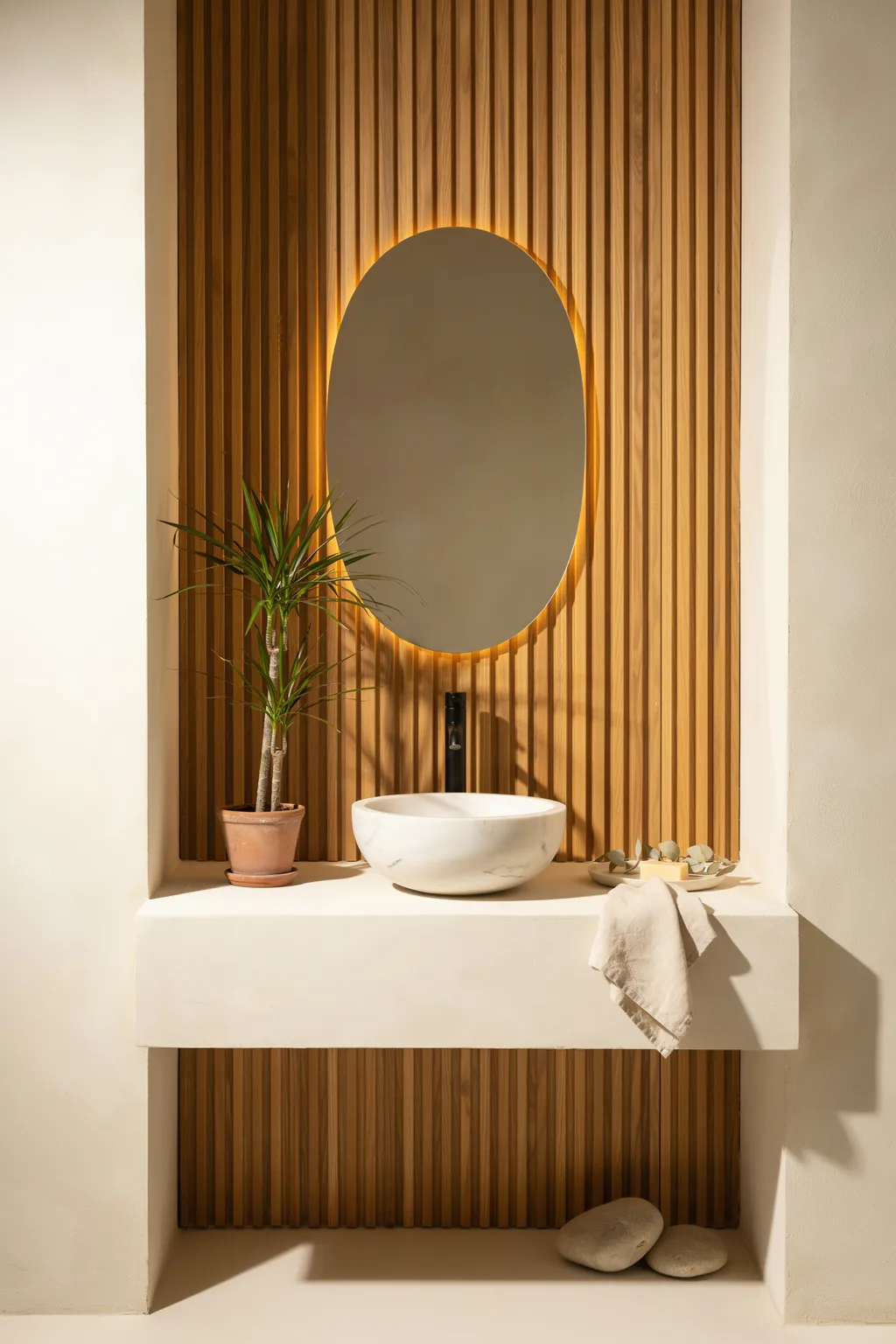
For a crisp, contemporary edge, frame yellow with black. Yellow leather lounge chairs set against tall, black-framed industrial windows create a graphic, high-contrast look that feels urban and gallery-like. The hard black lines make the cheerful yellow pop even harder, and the pairing keeps a bright color feeling modern and cool.
Black-and-yellow works because it is the highest-contrast warm pairing there is, so the combination always looks bold and deliberate. Slim black window frames, table legs, and light fixtures draw crisp lines around the soft yellow seating, giving the room structure and a downtown loft feel. A concrete floor and a simple graphic rug keep the palette tight and industrial. This suits lofts, studios, and anyone who wants yellow without a shred of sweetness. Black details can feel heavy in a small or dark room, so use them as fine lines rather than big blocks and let plenty of light in.
25. Split the Walls Two-Tone Yellow and White
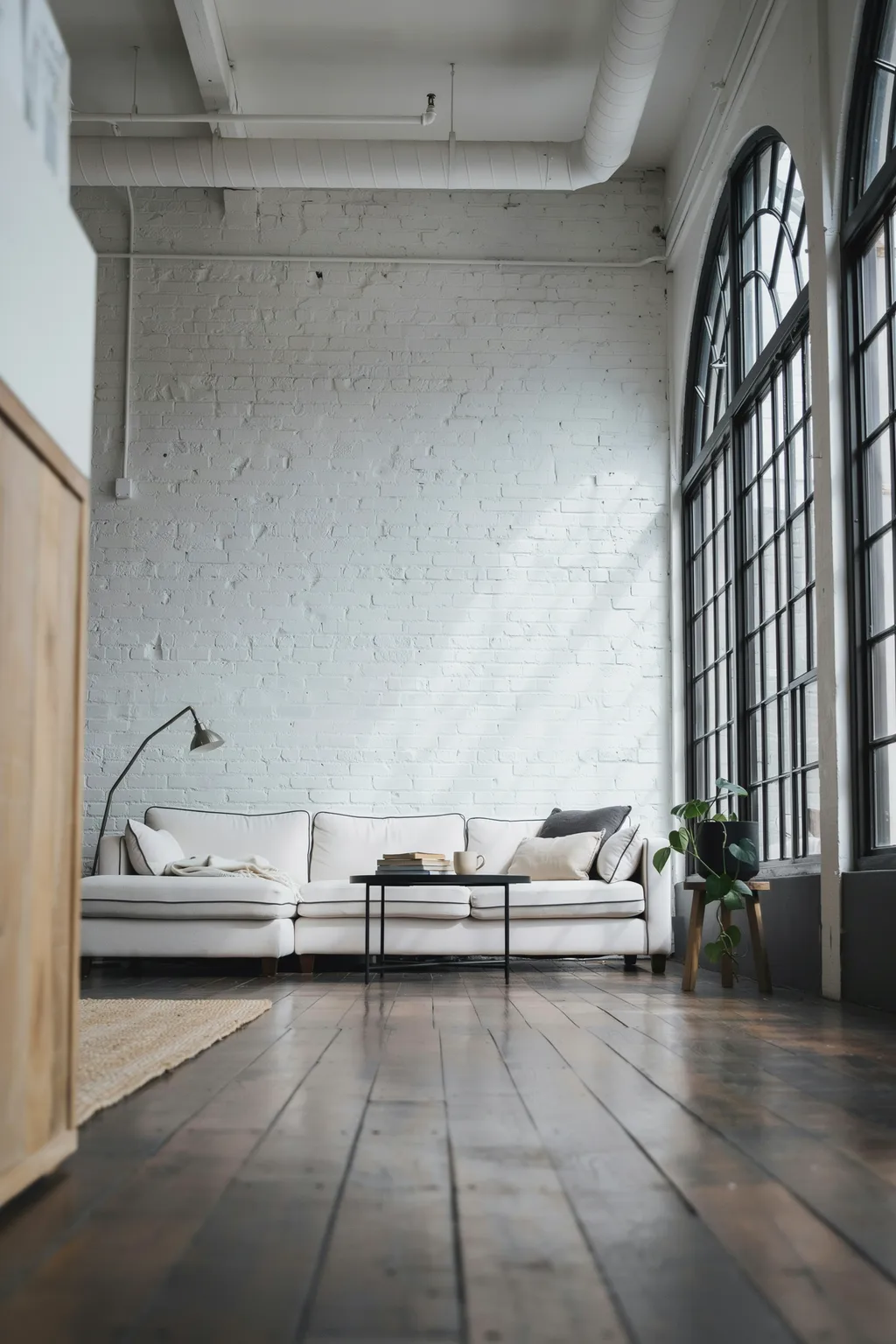
Finish with an architectural trick: split the walls two-tone. Warm yellow walls paired with white columns, trim, and built-in bookshelves let the color and the crisp white play off each other, highlighting the room’s best features. Cove lighting along an ornate cornice adds a soft golden wash that makes the yellow feel even richer at night.
Two-tone walls work because the white trim frames the yellow, breaking up the color and drawing attention to architecture like columns, cornices, and alcoves. Built-in white bookshelves against a yellow wall create depth and a place for color and clutter to live neatly. A tan leather sofa bridges the two tones with its warm, mid-brown finish. This suits period homes with good bones and molding worth showing off. It relies on that architecture to shine, so in a plain box room you would need to add trim or shelving first for the effect to read.
Common Mistakes to Avoid
Mistake 1: Choosing a yellow that is too bright
A pure, primary yellow that looked fun on the paint chip often reads as harsh and childish across a whole wall or sofa. It fights the light instead of warming it. Choose a warmer, slightly muted yellow, mustard, ochre, or butter, and always test a large sample before you buy.
Mistake 2: Using yellow everywhere at once
Yellow walls, yellow sofa, yellow curtains, and yellow rug all together overwhelm the eye and can feel like a theme rather than a room. Let yellow be the accent and give it room to breathe. Keep most surfaces neutral so the yellow you do use actually stands out.
Mistake 3: Ignoring your room’s light
Yellow shifts dramatically between north light, south light, and lamplight, and a shade that glows at noon can turn green or murky at night. Tape samples to different walls and check them morning, afternoon, and evening before committing to paint or big furniture.
Mistake 4: Pairing yellow with the wrong white
A cool, blue-white trim next to a warm yellow can make the yellow look dirty. Match your whites to your yellow’s warmth, using a soft or creamy white with warm yellows, so the two colors flatter each other instead of clashing.
Mistake 5: Forgetting to balance the warmth
An all-warm room, yellow plus wood plus brass, can start to feel heavy and one-note. Add a cool anchor like navy, charcoal, forest green, or plenty of green plants to give the eye relief and make the yellow feel fresh.
Mistake 6: Skipping texture
Flat yellow paint plus flat yellow fabric can look cheap and lifeless. Bring in texture, velvet, rattan, wool, ceramic, so the color catches light differently across surfaces and the room feels rich rather than painted-on.
Mistake 7: Matching every yellow exactly
Trying to match your sofa, pillows, and walls to one identical yellow usually backfires, since dye lots and finishes never line up and near-matches look like mistakes. Instead, layer a range of yellows from pale to deep on purpose, so the variation reads as intentional.
Quick Start Checklist
- [ ] Pick your yellow: warm and muted (mustard, ochre, butter) beats a bright primary.
- [ ] Decide your commitment level: pillows and throws, then chairs, then sofa or paint.
- [ ] Test paint samples on the wall in morning, afternoon, and evening light.
- [ ] Set your ratio: aim for roughly 60% neutral, 30% secondary, 10% yellow.
- [ ] Choose one cool anchor (navy, charcoal, green) to balance the warmth.
- [ ] Match your whites and trims to the warmth of your yellow.
- [ ] Add at least two textures (velvet, rattan, wool) so the color has depth.
- [ ] Bring in a few green plants to freshen and ground the scheme.
- [ ] Layer a range of yellows on purpose instead of chasing one exact match.
- [ ] Live with a small dose first, then scale up only if you still love it.
Frequently Asked Questions
What colors go best with yellow in a living room?
Yellow is flexible, but a few pairings are foolproof. Grey and charcoal cool it down and make it modern. Navy gives a crisp, tailored contrast. White and cream keep it light and airy. Forest green feels fresh and natural. Warm woods and brass deepen its glow. For most yellow living room ideas, pick one of these partners as your main pairing and let the yellow stay the accent, rather than trying to combine four bold colors at once.
Is yellow a good color for a living room?
Yes, when you use it thoughtfully. Yellow is warm, welcoming, and known to lift mood, which makes it a natural fit for the most social room in the house. It especially helps north-facing or dim rooms that feel cool and flat. The key is choosing a warm, slightly muted shade and using it as an accent rather than coating every surface. Done that way, yellow reads as cheerful and inviting, not loud.
How do I use yellow without it looking dated?
The dated look usually comes from a harsh primary yellow used heavily, often with matching accessories. To keep it current, choose a sophisticated shade like mustard or ochre, pair it with a modern partner such as charcoal or navy, and mix in clean-lined furniture and plenty of texture. Using yellow in one or two considered places, a sofa, a pair of chairs, an accent wall, also keeps it feeling deliberate and fresh rather than stuck in another decade.
What is the best shade of yellow for a living room?
For most rooms, a warm mustard or soft ochre is the safest and most flattering choice, since both have enough depth to feel grown-up and both play well with wood, grey, and navy. If you want something barely-there, a pale butter yellow works like a warm neutral. Save bright, saturated yellows for small doses like pillows or a single chair. Whatever you pick, test it in your own light first, since yellow changes more than almost any other color between rooms.
Can I use yellow in a small living room?
Absolutely. Pale yellow walls can actually make a small room feel bigger and brighter by bouncing light around, and a compact yellow piece like a loveseat or a single chair adds personality without taking over. Keep the rest of the palette light and use mirrors and good lighting to stretch the space. The main thing to avoid in a small room is a large, dark accent like a full charcoal or navy wall, which can close things in.
How much yellow is too much?
A useful guide is the 60-30-10 rule: about 60% of the room in a neutral base, 30% in a secondary tone, and only 10% in your accent color. When yellow creeps past roughly a third of the visible surfaces, a room can start to feel like a theme instead of a home. If a space feels overwhelming, pull back the yellow to fewer, more deliberate spots and let neutrals and texture carry the rest.
Conclusion
Yellow is not the risky choice people think it is. It is one of the warmest, most welcoming colors you can bring home, and the only real trick is using it with a light hand and a warm shade. Get those two things right and a flat, gray-feeling room turns sunny fast.
If you remember nothing else, remember these three things. First, pick a warm, muted yellow like mustard or ochre over a bright primary, and test it in your own light before you commit. Second, keep yellow to roughly 10% of the room and let neutrals do the heavy lifting, so the color reads as a happy accent rather than a takeover. Third, balance all that warmth with one cool partner, grey, navy, or green, plus plenty of texture, so the space feels layered and fresh. Those habits sit underneath nearly every one of these yellow living room ideas, from a single throw pillow to a fully painted wall.
Do not try to redo the whole room this weekend. Pick the one idea that made you stop scrolling, buy the smallest version of it, a couple of cushions, one chair, a sample pot of paint, and live with it for a week. If it still makes you smile every time you walk in, you will know exactly how much further to take it.